Join me as we hike the top
Urban Trails of Idaho
Idaho’s cities are closely integrated with foothills, rivers, and open land, allowing genuine hiking experiences to begin right from neighborhoods and downtowns. Many of these trails transition quickly from paved paths to rugged terrain, offering elevation gain, wildlife sightings, and expansive views without long drives.
Table Rock Trail (Boise)
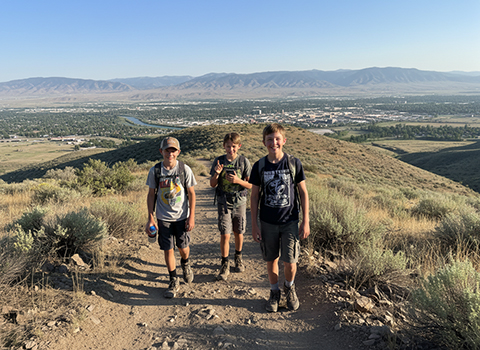
Hiking the Table Rock Trail is Boise’s most iconic urban hike, rising directly above the city along the front of the Boise Foothills. Starting just minutes from downtown Boise, the trail climbs toward a broad basalt plateau topped by the well-known Table Rock cross. From the lower slopes, hikers are treated to expanding views over the Treasure Valley, the Boise River corridor, and the city grid spreading out below.
The hike is relatively short but steep, gaining roughly 900 feet in about 1.5 miles round trip. The wide dirt trail follows an old access road and climbs steadily with little shade, making sun exposure and hydration important considerations—especially in summer. The route is popular year-round and attracts hikers of all experience levels, from casual walkers to fitness-focused climbers. As elevation increases, the landscape opens into classic high-desert foothills terrain with sagebrush, grasses, and expansive skies.
Reaching the top of Table Rock is a rewarding moment, offering panoramic views that stretch across the entire valley and into distant mountain ranges on clear days. Sunrise and sunset hikes are especially popular, when changing light paints the city and foothills in warm tones. Wildlife such as hawks and deer are occasionally spotted, and strong winds at the summit add to the sense of exposure. Easily accessible yet visually dramatic, the Table Rock Trail perfectly captures why Boise is known for having exceptional hiking right at the edge of the city.
Camel’s Back Park Trails (Boise)
Hiking the Camel’s Back Park Trails offers one of the most accessible and scenic urban hiking experiences in Boise. Located in the historic North End neighborhood, Camel’s Back Park serves as a gateway to the expansive Ridge to Rivers trail system that spreads across the Boise Foothills. From the park’s open grassy lawns, trails quickly climb into rolling hills, providing immediate elevation gain and wide views over the city and Treasure Valley.
The trails vary in difficulty, making the area appealing to a wide range of hikers. Short, steep routes such as the trail up to the Camel’s Back ridge offer a quick workout, while longer foothills paths allow for extended hikes deeper into the Ridge to Rivers network. The terrain is typical high desert, with dirt singletrack, open slopes, and limited shade, so water and sun protection are important. Seasonal changes add variety, with spring wildflowers, summer golden hillsides, and crisp autumn air enhancing the experience.
One of the most appealing aspects of hiking at Camel’s Back Park is how quickly it feels removed from the city despite being surrounded by neighborhoods. Wildlife such as hawks, deer, and occasionally foxes are seen along the trails, and the elevated vantage points are especially popular at sunset. Locals often use the park for daily hikes, trail runs, and evening strolls, giving the area a welcoming, community-centered feel. Whether used as a short urban escape or a starting point for longer foothills adventures, the Camel’s Back Park Trails showcase Boise’s exceptional access to outdoor recreation.
Boise River Greenbelt (Boise)
Hiking the Boise River Greenbelt is one of the most relaxing and scenic ways to experience nature within Boise. Stretching for more than 25 miles along the Boise River, the Greenbelt weaves through downtown, parks, and wooded riverbanks, creating a continuous natural corridor through the heart of the city. The sound of flowing water, shaded paths, and frequent wildlife sightings give the trail a peaceful atmosphere that contrasts with nearby urban activity.

The Greenbelt is mostly flat and paved, making it accessible to hikers of all ages and ability levels. Numerous trailheads and park connections allow hikers to choose short strolls or longer point-to-point walks, with popular segments passing through Julia Davis Park, Ann Morrison Park, and Kathryn Albertson Park. Side paths lead closer to the river’s edge, where benches and overlooks invite rest stops and quiet moments. In every season, the river provides visual interest—calm and reflective in summer, fast-moving during spring runoff, and framed by golden cottonwoods in fall.
Wildlife is a defining feature of the Boise River Greenbelt, even in its most urban sections. Ducks, geese, herons, and songbirds are common, and deer are often seen near quieter stretches of the trail. The Greenbelt is also a social space, shared with cyclists, runners, and families, giving it a lively yet welcoming feel. Whether used for daily walks, long-distance urban hikes, or leisurely exploration, the Boise River Greenbelt offers an inviting blend of city access and natural beauty that defines outdoor life in Boise.
Hull’s Gulch Reserve (Boise)
Hiking the Hull’s Gulch Reserve offers a cool, shaded escape into nature just minutes from downtown Boise. Tucked into the Boise Foothills, Hull’s Gulch follows a narrow canyon carved by seasonal streams, creating a greener and more sheltered environment than many surrounding foothills trails. Cottonwoods, willows, and dense undergrowth line the canyon floor, giving the hike a surprisingly lush feel for Idaho’s high-desert landscape.
The main trail is moderately easy, with gentle elevation gain as it winds upstream along the creek bed. Dirt paths, small bridges, and rocky sections keep the hike engaging without being overly strenuous, making it suitable for a wide range of hikers. Because the canyon traps moisture and shade, Hull’s Gulch is especially popular during warmer months, when temperatures are noticeably cooler than on exposed ridge trails. Hikers can also connect to higher foothills routes for longer or more challenging outings.
Wildlife sightings are common in Hull’s Gulch, reinforcing its reputation as one of Boise’s most nature-rich urban hikes. Deer frequently browse near the trail, and birds such as hawks, owls, and songbirds are often heard or seen among the trees. Spring brings flowing water and fresh greenery, while autumn adds golden leaves and crisp air to the canyon. Quiet, scenic, and easily accessible, Hull’s Gulch Reserve provides a refreshing contrast to Boise’s sunnier foothills hikes and is a favorite for those seeking a peaceful urban nature walk.
Hyde Park–Camel’s Back Foothills (Boise)
Hiking the Hyde Park–Camel’s Back Foothills provides one of the most classic neighborhood-to-nature transitions in Boise. Starting near the historic Hyde Park district, these foothills trails rise directly from residential streets into open high-desert terrain, making them especially popular for spontaneous hikes and evening outings. Within minutes, views open over the North End, downtown Boise, and the Treasure Valley, creating a strong sense of elevation and space despite the urban starting point.
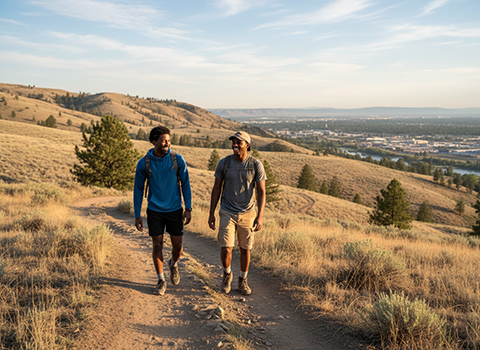
The trail network here connects seamlessly into Boise’s larger Ridge to Rivers system, offering routes that range from short, steep climbs to longer ridge traverses. Dirt singletrack and old service roads wind through sagebrush-covered slopes with minimal shade, so sun exposure is an important consideration, particularly in summer. The terrain is moderately challenging in places, rewarding hikers with steady elevation gain and wide vistas without requiring a long commitment of time or distance.
One of the defining features of hiking the Hyde Park–Camel’s Back Foothills is the atmosphere—these trails feel deeply woven into daily Boise life. Locals often use them for morning workouts, dog walks, and sunset hikes, when warm light washes across the foothills and city below. Wildlife such as hawks, deer, and occasional foxes are regularly spotted, adding to the sense of wildness close to town. Easily accessible, scenic, and community-oriented, these foothills trails capture the essence of Boise’s reputation as a city where hiking truly begins at your doorstep.
Tubbs Hill Nature Trails (Coeur d’Alene)
Hiking the Tubbs Hill Nature Trails offers one of Idaho’s most scenic urban hiking experiences, located directly beside downtown Coeur d'Alene. This forested peninsula juts out into Lake Coeur d’Alene, creating the rare feeling of a wilderness escape just steps from shops, restaurants, and the waterfront. The trails wind through pine and fir forest, with frequent openings that reveal sparkling lake views, rocky shorelines, and distant mountain backdrops.
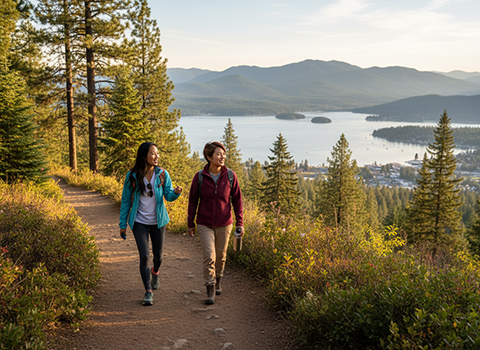
The trail system consists of several interconnected loops, allowing hikers to customize their outing from short walks to longer, more exploratory hikes. The terrain is moderately hilly, with rocky paths, exposed roots, and occasional short climbs that add variety without being overly strenuous. One of the highlights is the shoreline trail, where hikers can walk close to the water, pass small beaches, and enjoy shaded resting spots perfect for swimming or picnicking during warm months. Because of its accessibility and beauty, Tubbs Hill is popular year-round, especially in summer.
What makes Tubbs Hill especially memorable is how seamlessly it blends nature with town life. Wildlife such as deer, squirrels, and a wide variety of birds are commonly seen, and the sound of lapping water often accompanies the hike. Sunrise and sunset hikes are particularly striking, as changing light reflects off Lake Coeur d’Alene and illuminates the surrounding hills. Whether used for a quick urban escape, a scenic lakeside hike, or a relaxing nature walk, the Tubbs Hill Nature Trails provide a uniquely immersive outdoor experience in the heart of Coeur d’Alene.
North Idaho Centennial Trail (Coeur d’Alene / Post Falls)
Hiking the North Idaho Centennial Trail offers a scenic and accessible urban hiking experience through Coeur d'Alene and Post Falls. Stretching for more than 20 miles from the Washington border to Higgins Point on Lake Coeur d’Alene, the trail follows the Spokane River through a mix of forested corridors, riverbanks, and city parks. Despite passing through developed areas, the constant presence of water and trees gives the hike a calm, natural feel.
The trail is paved and mostly flat, making it suitable for hikers of all ages and abilities. Multiple access points allow for flexible outings, from short neighborhood walks to longer point-to-point hikes along the river. Along the way, hikers pass shaded sections beneath pine and cottonwood trees, open river views, and several parks with benches and picnic areas. The route is especially pleasant in spring and fall, when cooler temperatures and changing foliage enhance the riverside scenery.
Wildlife is a frequent highlight along the North Idaho Centennial Trail, particularly in quieter stretches away from busy crossings. Ducks, geese, osprey, and herons are commonly seen along the river, and deer occasionally appear near wooded sections. The Spokane River itself adds constant movement and sound, creating a relaxing backdrop for the hike. Whether used for casual strolls, longer urban hikes, or scenic connections between towns, the North Idaho Centennial Trail provides a continuous ribbon of nature that ties together North Idaho’s communities.
Big Butte Trail (Pocatello)
Hiking the Big Butte Trail is a popular urban hike in Pocatello, offering big views from a prominent hill rising directly above town. Big Butte stands as a local landmark, and the trail provides a quick transition from neighborhood streets into open foothills terrain. From the lower slopes, hikers begin to see sweeping views of the Portneuf Valley, Bannock Range, and the city spread out below.
The hike is relatively short but steep, making it a favorite for fitness-oriented outings and sunset climbs. The dirt trail gains elevation steadily through sagebrush and grass-covered hillsides, with little shade along the way. Because of the exposed terrain, wind and sun are common factors, and hikers should plan accordingly with water and layers. The straightforward route makes navigation easy, while the climb itself delivers a solid workout in a compact distance.
Reaching the summit of Big Butte is a rewarding experience, with wide, panoramic views that extend across southeastern Idaho’s valleys and surrounding mountain ranges. The open setting makes it an excellent spot for watching changing light, especially during sunrise and sunset, when colors wash across the landscape. Wildlife such as hawks and deer are occasionally spotted along the trail, adding to the sense of wildness close to town. Easily accessible and visually dramatic, the Big Butte Trail is a quintessential urban hike that showcases Pocatello’s close connection to the outdoors.
City Creek Trails (Pocatello)
Hiking the City Creek Trails offers a surprisingly lush and scenic escape right within Pocatello. The trail system follows City Creek as it flows through a narrow canyon on the east side of town, creating a green corridor that contrasts with the surrounding high-desert landscape. Cottonwoods, willows, and dense vegetation line the creek, while canyon walls rise on either side, giving hikers a sense of immersion in nature just minutes from neighborhoods and downtown.
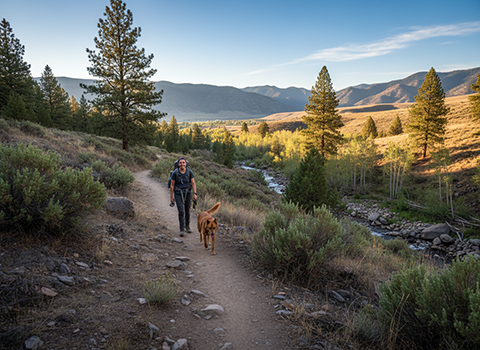
The trails range from easy creekside walks to more moderately challenging routes that climb into the surrounding foothills. Well-defined dirt paths wind alongside the water, crossing small bridges and passing shaded sections that are especially welcome during warmer months. Because the canyon captures moisture and cooler air, City Creek is a popular summer hiking destination, while spring brings flowing water and fresh greenery. The trail system also connects to higher foothills routes, allowing hikers to extend their outings or gain elevation for broader views of the Portneuf Valley.
Wildlife sightings are common along the City Creek Trails, adding to their appeal as a true urban nature refuge. Deer frequently browse near the trail, and birds such as hawks, songbirds, and owls are often seen or heard in the canyon. In autumn, changing leaves add color to the hike, while winter transforms the creek corridor into a quiet, snow-dusted landscape. Peaceful, accessible, and rich in natural character, the City Creek Trails showcase how closely Pocatello’s outdoor recreation is woven into daily city life.
Snake River Greenbelt (Idaho Falls)
Hiking the Snake River Greenbelt offers one of the most scenic and accessible urban hiking experiences in eastern Idaho, running directly through Idaho Falls. The trail follows the Snake River as it flows past downtown, parks, and residential areas, with constant views of moving water, tree-lined banks, and the city’s famous waterfalls. Despite its central location, the Greenbelt feels calm and inviting, making it a favorite escape for locals seeking nature without leaving town.
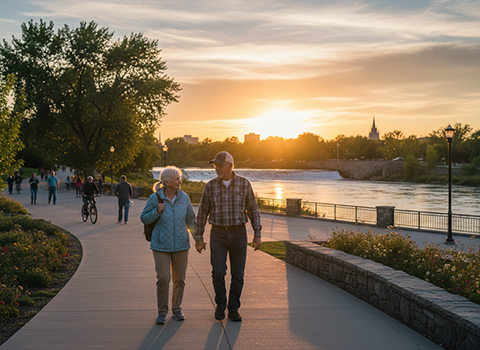
The Greenbelt is mostly flat and paved, making it suitable for hikers of all ages and ability levels. Multiple access points allow hikers to tailor outings from short strolls to longer point-to-point walks that cross several pedestrian bridges and pass through landscaped park areas. Benches, overlooks, and grassy lawns provide frequent opportunities to pause and enjoy the river scenery. Seasonal changes add variety, with spring runoff swelling the river, summer bringing lush greenery, and fall adding golden hues to the cottonwoods lining the path.
Wildlife and river activity are key highlights along the Snake River Greenbelt. Ducks, geese, herons, and other waterfowl are commonly seen, and anglers often line the banks during fishing season. The sound of rushing water near the falls adds energy to the hike, while quieter downstream sections offer a more contemplative experience. Whether used for daily walks, scenic urban hikes, or relaxed exploration, the Snake River Greenbelt delivers a distinctive blend of city life and natural beauty that defines outdoor recreation in Idaho Falls.