The Hiking Man Hikes Nebraska

Brad the Hiking Man
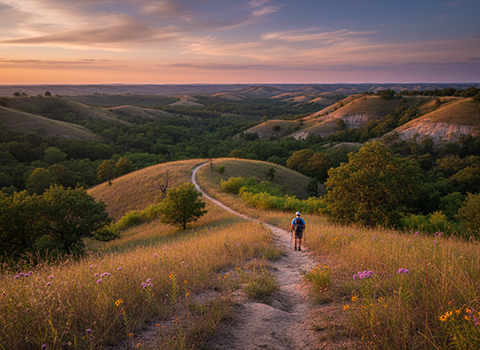
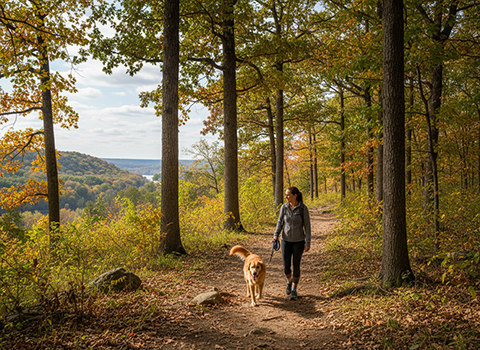
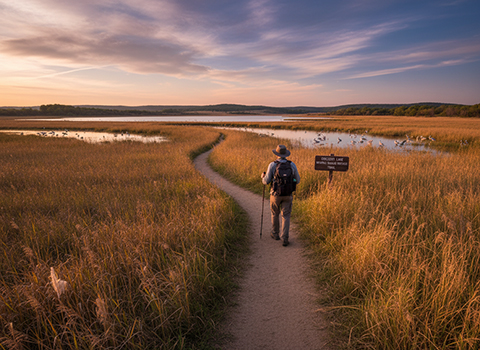
Hiking in Nebraska offers outdoor enthusiasts a chance to explore the state's diverse landscapes, from the rolling hills of the eastern prairies to the rugged terrain of the western panhandle. While Nebraska may not have towering mountains or expansive forests, its vast grasslands, river valleys, and state parks provide ample opportunities for outdoor adventure. Trails wind through scenic areas like the Niobrara River Valley, where hikers can explore sandstone cliffs, meandering rivers, and unique rock formations. In the Sandhills region, trails like the Cowboy Trail offer a chance to traverse the open prairie and discover the natural beauty and wildlife of the Great Plains. Whether trekking along the bluffs of the Missouri River or exploring the unique geological formations of Toadstool Geologic Park, hiking in Nebraska promises unforgettable experiences amidst the tranquility and natural beauty of the Heartland.

Scotts Bluff National Monument Trails (Gering)

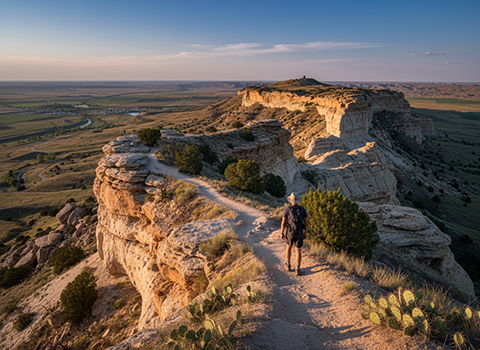
Hiking the trails at Scotts Bluff National Monument near Gering, Nebraska offers a striking blend of natural beauty and American history. Rising dramatically above the North Platte River Valley, the bluff served as a critical landmark for pioneers traveling west on the Oregon, California, and Mormon Trails. Today, hikers can walk in those same footsteps while enjoying sweeping views of the surrounding plains, farmland, and distant buttes. The monument’s sheer sandstone cliffs and layered rock formations stand in sharp contrast to the generally flat landscape of western Nebraska, making the area feel unexpectedly rugged and scenic.
Scotts Bluff National Monument Trail

The most popular route is the Scotts Bluff Summit Trail, a paved but steep trail that climbs roughly 435 feet from the visitor center to the top of the bluff. Though less than two miles round trip, the elevation gain can be challenging, especially in summer heat, but the reward is well worth the effort. From the summit, hikers are treated to panoramic views that stretch for miles, offering a powerful sense of scale and perspective similar to what emigrants experienced as they approached this landmark after weeks on the trail. Other routes, such as the Saddle Rock Trail and North Overlook Trail, provide unpaved alternatives with closer views of rock formations and native vegetation.

Beyond the physical hike, Scotts Bluff National Monument offers a deeply reflective experience. Interpretive signs along the trails explain the geological forces that shaped the bluff and the human stories tied to it, from Native American use of the land to its role in westward expansion. Wildlife such as mule deer, prairie falcons, and various songbirds are commonly spotted, adding to the sense of connection with the landscape. Whether you’re seeking a short but rewarding hike, a history-rich outing, or a scenic introduction to the Great Plains, the trails at Scotts Bluff deliver an experience that is both accessible and memorable.

Toadstool Geological Park Loop (Oglala National Grassland)

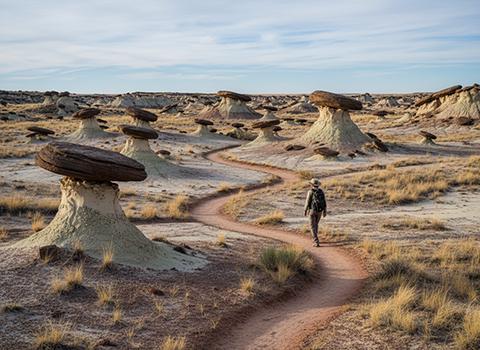
Hiking the Toadstool Geological Park Loop in the Oglala National Grassland feels like stepping into a landscape far removed from the stereotypical image of Nebraska. This unique area is known for its dramatic badlands-style terrain, featuring eroded clay formations, spires, and mushroom-shaped hoodoos that give the park its whimsical name. The stark colors, sculpted by wind and water over millions of years, create an almost otherworldly atmosphere, making the hike visually captivating from start to finish. With wide-open skies and minimal development, the area offers a sense of quiet isolation that enhances the experience.
Toadstool Geological Park Loop

The loop trail itself is relatively short and easy, making it accessible to hikers of most skill levels. The terrain is mostly flat with gentle elevation changes, though sections of uneven ground and soft clay can become slippery after rain. As hikers wind through the formations, the trail offers close-up views of fossil-bearing rock layers, remnants of ancient ecosystems that once supported prehistoric mammals. Informal side paths invite exploration, but visitors are encouraged to stay on established routes to protect the fragile geology and preserve the area for future hikers.

Beyond its striking geology, Toadstool Geological Park offers a peaceful and contemplative hiking experience. The absence of trees provides unobstructed views in every direction, emphasizing the vastness of the high plains and the slow, patient forces that shaped the land. Wildlife sightings may include prairie birds, small mammals, and the occasional raptor circling overhead. Whether visited as a standalone destination or combined with nearby hikes in the grassland, the Toadstool Loop is a memorable reminder that Nebraska’s landscapes can be just as surprising and dramatic as those found in more traditionally rugged states.

Indian Cave State Park Trails (Southeast Nebraska)

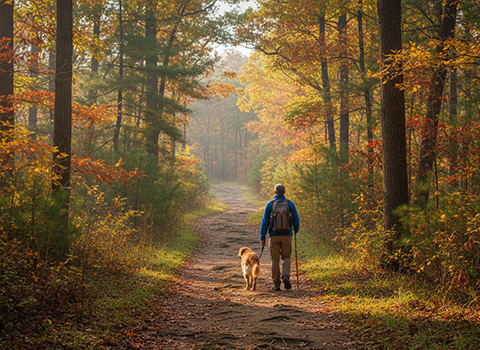
Hiking the trails at Indian Cave State Park in southeast Nebraska offers one of the most diverse and scenic outdoor experiences in the state. Set along the Missouri River, the park features rugged forested hills, deep ravines, and sweeping river overlooks that feel far more dramatic than most visitors expect from the region. The park’s name comes from sandstone petroglyphs carved by Indigenous peoples, adding a layer of cultural and historical significance to the landscape. Throughout the park, mature hardwood forests provide shade and seasonal color, making the area especially appealing in spring and fall.
Indian Cave State Park Trail

Indian Cave State Park is known for its extensive trail system, with routes ranging from gentle riverside walks to challenging ridge-top climbs. Popular trails such as the Homestead Trail, River Corridor Trail, and Backbone Trail allow hikers to tailor their experience, whether they prefer a short nature walk or a longer, more strenuous outing. Elevation changes can be surprisingly steep in places, rewarding hikers with scenic overlooks of the Missouri River Valley and surrounding floodplains. The trails are well-marked but feel pleasantly remote, offering a sense of wilderness without being overly technical.

Beyond the physical terrain, hiking at Indian Cave State Park is rich in wildlife and atmosphere. White-tailed deer, wild turkeys, and a wide variety of songbirds are commonly seen, while the forest floor bursts with wildflowers during warmer months. Interpretive signs and historic sites along the trails connect hikers to the human history of the region, from Native American use of the land to early homesteaders. Whether you’re drawn by history, challenging hikes, or peaceful woodland scenery, Indian Cave State Park delivers a rewarding and immersive hiking experience in Nebraska’s southeastern corner.

Niobrara River Trail (Niobrara National Scenic River)

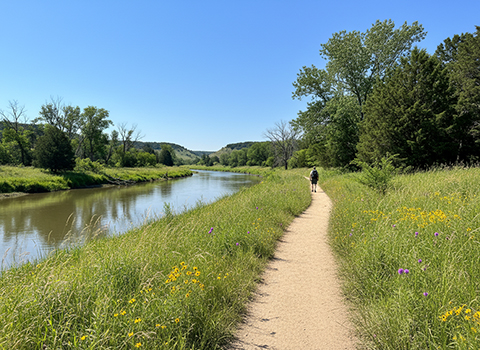
Hiking the Niobrara River Trail along the Niobrara National Scenic River offers a refreshing blend of water, prairie, and woodland scenery that is unique in Nebraska. The Niobrara River is renowned for its ecological diversity, flowing through a transitional zone where eastern deciduous forests meet western plains and northern boreal species. As a result, hikers encounter a rich mix of landscapes, including grassy bluffs, shaded riverbanks, and pockets of pine and birch. The constant presence of the river adds movement and sound to the hike, creating a peaceful, immersive atmosphere.
 Niobrara River Trail

The trail generally follows the river corridor and nearby bluffs, providing a mostly moderate hiking experience with gentle elevation changes and occasional steeper climbs to overlooks. Depending on the segment chosen, hikers may pass waterfalls fed by groundwater springs, sandy river edges, and expansive views across the valley. While portions of the trail can feel remote, access points near towns and recreation areas make it easy to plan day hikes or combine hiking with canoeing or kayaking on the river. Conditions can vary with weather, and muddy sections are common after rain, so sturdy footwear is recommended.

Beyond its scenic appeal, the Niobrara River Trail is a haven for wildlife viewing and quiet exploration. Bald eagles, osprey, and other raptors are frequently spotted along the river, while deer and small mammals move through the surrounding grasslands and woods. Wildflowers bloom in abundance during late spring and early summer, adding color to the trail edges. Whether experienced as a standalone hike or as part of a multi-activity river trip, hiking along the Niobrara offers a memorable way to experience one of Nebraska’s most biologically rich and visually striking regions.

Wildcat Hills State Recreation Area Trails (Near Scottsbluff)

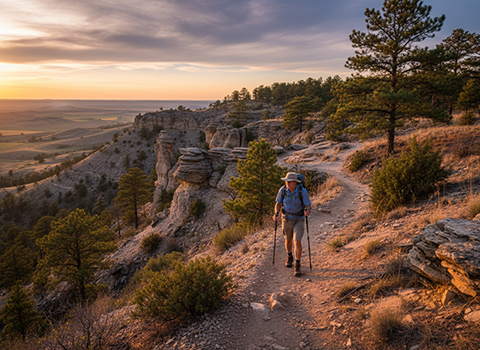
Hiking the trails at Wildcat Hills State Recreation Area, located just south of Scottsbluff, offers a quieter and more rugged alternative to the nearby Scotts Bluff National Monument. The area is characterized by steep ridges, deep draws, and pine-covered slopes that rise abruptly from the surrounding plains. Sandstone outcrops and grassy hillsides create a striking landscape that feels surprisingly wild and remote, despite its proximity to town. The wide-open views from the ridgelines stretch across western Nebraska and into Wyoming on clear days, giving hikers a strong sense of space and solitude.
Wildcat Hills State Recreation Area Trail

The trail system at Wildcat Hills includes several loop and connector trails that range from moderate to strenuous. Routes such as the Summit Loop and Bobcat Trail feature sustained climbs and narrow ridgelines, making them a good choice for hikers seeking a physical challenge. The trails are mostly unpaved and can be rocky in places, requiring careful footing, especially after rain or during winter conditions. Because the area receives fewer visitors than more famous nearby sites, hikers often enjoy long stretches of trail without encountering others.

Wildcat Hills State Recreation Area is also a rewarding destination for wildlife observation and seasonal hiking. Mule deer, wild turkeys, and a variety of raptors are commonly seen, and the pine forests provide habitat for songbirds and small mammals. Spring brings blooming wildflowers to the grasslands, while autumn colors highlight the contrast between evergreens and golden prairie. For hikers looking to escape crowds and experience a raw, high-plains landscape with challenging terrain and scenic views, the Wildcat Hills trails deliver a memorable and underrated outdoor adventure.

Fontenelle Forest Trails (Near Omaha)

Hiking the Fontenelle Forest Trails near Omaha offers a peaceful escape into one of eastern Nebraska’s most ecologically rich natural areas. Nestled along the Missouri River, Fontenelle Forest encompasses thousands of acres of protected woodland, wetlands, and prairie, making it a haven for nature lovers just minutes from the city. The forest’s towering oaks, hickories, and maples create a shaded, serene environment, while the sounds of birds and rustling leaves replace the noise of nearby urban life. Each season brings a distinct atmosphere, from spring wildflowers to vibrant fall foliage.
Fontenelle Forest Trail

The trail system at Fontenelle Forest is extensive and well-maintained, with options suited to hikers of all ages and experience levels. Boardwalk trails wind through wetlands and floodplain forests, offering easy and accessible walks, while backcountry-style trails venture into more rugged terrain with rolling hills and dirt paths. Elevation changes are modest but noticeable, providing gentle challenges without being overwhelming. Clear signage and loop options make it easy to tailor hikes ranging from short nature strolls to longer, more immersive outings.

Beyond its scenic appeal, Fontenelle Forest offers a strong educational and conservation focus that enhances the hiking experience. Interpretive displays and guided hikes help visitors learn about local ecosystems, wildlife, and land stewardship efforts. Deer, turkeys, owls, and a wide variety of songbirds are frequently seen along the trails, especially during early morning or evening hikes. Whether you’re looking for a quiet solo walk, a family-friendly nature outing, or a deeper connection to Nebraska’s eastern landscapes, Fontenelle Forest provides a rewarding and accessible hiking destination near Omaha.

Hitchcock Nature Center Loess Hills Trails (Southwest Iowa / Omaha area)

Hiking the Hitchcock Nature Center Loess Hills Trails, located just across the Missouri River in southwest Iowa, offers a surprisingly dramatic landscape for those in the Omaha area. The Loess Hills are composed of deep wind-deposited silt, creating narrow ridgelines and steep slopes that are unlike anything else in the region. From the hilltops, hikers are rewarded with sweeping views of the Missouri River Valley, farmland, and distant bluffs. The unique geology gives the area a rugged, almost mountainous feel, making it a favorite destination for hikers seeking elevation and scenery close to the city.
Hitchcock Nature Center Loess Hills Trail

The trail system at Hitchcock Nature Center is well developed and ranges from moderate to challenging, with frequent climbs and descents. Trails such as Badger Ridge, Turkey Ridge, and Homestead Trail traverse sharp ridgelines, wooded slopes, and open prairie, often linking together for longer loop hikes. Because loess soil can be slippery and easily eroded, conditions change quickly after rain, and careful footing is essential. The combination of elevation gain and exposed ridges makes these trails more physically demanding than most hikes in eastern Nebraska or western Iowa.

Beyond the physical challenge, hiking at Hitchcock Nature Center offers a rich ecological experience. The Loess Hills support rare prairie plants, oak savanna remnants, and diverse birdlife, including migratory species that use the Missouri River corridor. Seasonal changes are especially striking, with spring wildflowers, summer prairie grasses, and vibrant fall colors transforming the hills. For hikers willing to cross the river, Hitchcock Nature Center provides some of the most rewarding terrain and views in the greater Omaha region.

Ponca State Park Trails (Northeast Nebraska)

Hiking the trails at Ponca State Park in northeast Nebraska offers some of the most scenic and varied landscapes in the state. Perched high above the Missouri River, the park features rolling hills, wooded bluffs, and open prairie that create sweeping views of the river valley below. The terrain feels surprisingly rugged, with forested ridges giving way to grassy overlooks and deep ravines. Seasonal changes are especially dramatic here, making Ponca a popular destination for spring wildflowers and fall foliage hikes.
Ponca State Park Trail

Ponca State Park has an extensive trail system with routes suited to a wide range of abilities. Trails such as the Five Hills Trail, Old Oak Trail, and Whitetail Loop provide options from short, easy walks to longer hikes with sustained elevation changes. Bluff-top trails reward hikers with panoramic overlooks of the Missouri River and surrounding countryside, while lower trails wind through shaded hardwood forests. The trails are well-marked and maintained, allowing hikers to comfortably explore the park’s diverse terrain without feeling overcrowded.

Beyond its scenery, Ponca State Park offers rich opportunities for wildlife viewing and quiet reflection. White-tailed deer, wild turkeys, and a variety of songbirds are frequently seen along the trails, and the park is known as a prime birding location during migration seasons. Interpretive signage and nearby nature centers help connect hikers to the ecological and cultural history of the region. Whether you’re looking for a peaceful woodland walk or a more challenging hike with expansive views, Ponca State Park delivers one of Nebraska’s most rewarding outdoor experiences.

Crescent Lake National Wildlife Refuge Trails (Nebraska Sandhills)

Hiking the trails at Crescent Lake National Wildlife Refuge in Nebraska’s Sandhills offers a rare opportunity to experience one of the most remote and unspoiled landscapes in the Great Plains. The refuge is defined by rolling grass-covered dunes, scattered wetlands, and a chain of shallow lakes that reflect the vast sky above. With minimal development and expansive open space, the area feels quiet and isolated, allowing hikers to fully absorb the subtle beauty of the Sandhills. The gently undulating terrain and wide horizons create a sense of calm that is both immersive and restorative.
Crescent Lake National Wildlife Refuge Trail

Trails at Crescent Lake are generally informal and lightly marked, emphasizing exploration rather than structured route-following. Hikes often involve traveling across prairie grasses, sandy soil, and low ridgelines, with occasional climbs offering elevated views of the lakes and surrounding dunes. While the physical difficulty is moderate, the lack of shade and the openness of the landscape can make hikes more demanding during hot or windy conditions. Visitors are encouraged to carry plenty of water, navigate carefully, and respect the sensitive dune ecosystems by avoiding unnecessary off-trail travel.

Wildlife observation is a major highlight of hiking in the refuge. Crescent Lake is renowned for its birdlife, especially during spring and fall migrations, when waterfowl, shorebirds, and raptors are abundant. Pronghorn, mule deer, and smaller mammals are also commonly seen moving across the grasslands. The quiet, low-traffic nature of the refuge allows hikers to experience wildlife with minimal disturbance, making each hike feel personal and intimate. For those seeking solitude, wide-open scenery, and a deeper connection to Nebraska’s Sandhills, Crescent Lake National Wildlife Refuge offers a truly distinctive hiking experience.

Platte River State Park Trails (Near Louisville)

Hiking the trails at Platte River State Park, located near Louisville, Nebraska, offers a refreshing blend of woodland, water features, and scenic overlooks along the Platte River Valley. The park’s rolling terrain, forested hills, and small waterfalls create a surprisingly varied landscape for eastern Nebraska. Shaded by oak and hickory trees, the trails provide a comfortable hiking environment during warmer months, while elevated viewpoints offer glimpses of the river and surrounding countryside. Its proximity to both Omaha and Lincoln makes the park a popular destination for quick outdoor escapes.
Platte River State Park Trail

The trail system at Platte River State Park is well-developed and suitable for hikers of all skill levels. Short loops and connector trails allow visitors to customize hikes, whether they’re looking for a leisurely walk or a more energetic outing with moderate elevation changes. Popular routes pass by cascading waterfalls, cross wooden bridges, and wind through quiet ravines, adding visual interest and variety. The trails are clearly marked and family-friendly, making the park an excellent choice for beginners, children, or anyone seeking a relaxed hiking experience.

Beyond the scenery, Platte River State Park offers a peaceful and welcoming atmosphere that enhances its appeal. Wildlife such as deer, wild turkeys, and numerous bird species are frequently spotted along the trails, especially during early morning or evening hikes. Seasonal changes bring spring wildflowers, summer greenery, and colorful autumn leaves, ensuring a different experience throughout the year. Whether enjoyed as a short nature walk or a longer exploration of interconnected trails, hiking at Platte River State Park provides a pleasant and accessible way to experience Nebraska’s outdoor beauty.

Chadron State Park Trails

Gothic Basin Trail Trail


McKelvie National Forest Trails

Rattlesnake Ledge Trail


Nebraska Hiking Tip

• Best hiking seasons: April–June and September–October
• Summer hikes can be hot with little shade
• Ticks are common — long pants and checks are wise