The Hiking Man Hikes Illinois

The Urban Trail Hiker
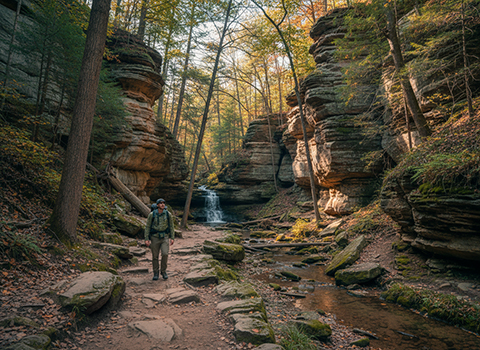
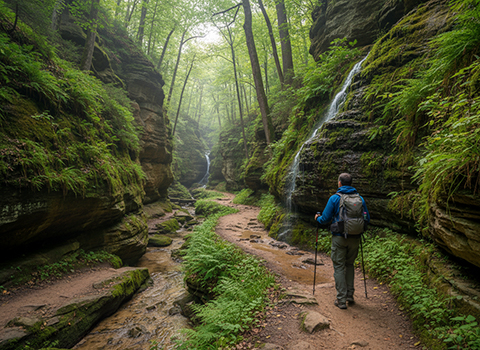
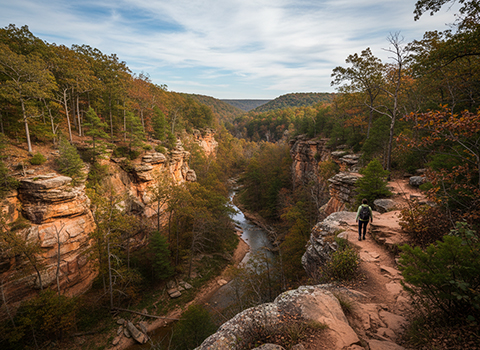
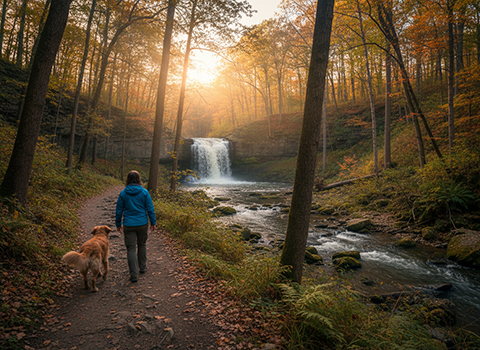
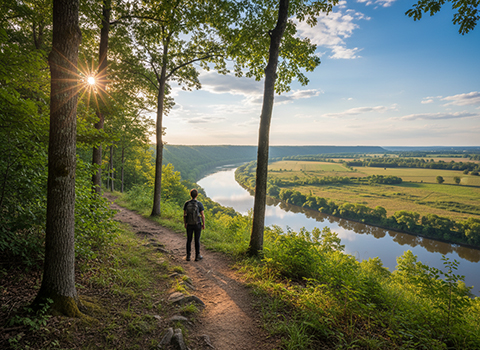
Hiking in Illinois offers a rich variety of landscapes, from rolling hills and river bluffs to quiet forests and sandstone canyons. The state is home to scenic destinations like Starved Rock State Park, where trails lead to stunning waterfalls and dramatic cliffs carved by glacial meltwaters. In southern Illinois, Shawnee National Forest offers a more rugged hiking experience, with highlights like the Garden of the Gods, where massive rock formations provide breathtaking views. Trails along the Mississippi River bluffs, such as those in Pere Marquette State Park, offer sweeping vistas and excellent birdwatching. Whether you're exploring quiet woodland paths or dramatic geological features, hiking in Illinois combines natural beauty with peaceful, accessible trails.


Garden of the Gods Observation Trail (Shawnee National Forest)

Hiking the Garden of the Gods Observation Trail is one of the most iconic short hikes in southern Illinois, offering outsized rewards for minimal effort. The trail is a paved and mostly level loop of about a quarter mile, making it accessible to hikers of nearly all abilities while still delivering dramatic scenery. Massive sandstone formations such as Camel Rock, Anvil Rock, and Table Rock rise abruptly from the forest, sculpted over millions of years by wind and water. Even before reaching the overlooks, the sense of scale and geology makes this trail feel far grander than its modest length suggests.
Garden of the Gods Observation Trail

As you follow the loop, multiple overlooks provide sweeping views across the rolling hills and forested ridges of the Shawnee National Forest. On clear days, visibility can stretch for miles, especially during autumn when hardwood forests explode with color or in winter when bare trees reveal the contours of the land. Sunrise and sunset are particularly popular times to hike, as the low-angle light ignites the sandstone in shades of gold, orange, and red. Despite its popularity, the trail often maintains a calm, contemplative atmosphere, with stone railings and benches encouraging visitors to pause and take in the view.

Beyond the scenery, the Garden of the Gods Observation Trail is an excellent introduction to the broader hiking opportunities in the area. Its easy access makes it a perfect stop before or after longer hikes in nearby wilderness areas, and it’s an ideal choice for families, photographers, or anyone short on time. Interpretive signs add context about the region’s geology and natural history, deepening appreciation for what you’re seeing. Short, scenic, and unforgettable, this trail exemplifies how even a brief walk can leave a lasting impression when the landscape is truly extraordinary.

Giant City Nature Trail (Giant City State Park)

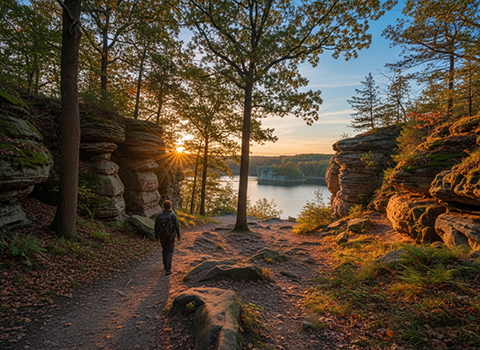
Hiking the Giant City Nature Trail is a memorable walk through one of southern Illinois’ most distinctive landscapes. This loop trail is just under a mile long, but it feels like a journey through a natural stone city, with towering sandstone walls forming narrow corridors and shaded passageways. The trail is well-marked and maintained, yet it quickly immerses hikers in a rugged environment shaped by millions of years of erosion. Despite its relatively short distance, the terrain includes uneven footing, steps, and rock passages that make the hike engaging and adventurous.
Giant City State Park Nature Trail

As you move deeper into the trail, massive rock formations rise on both sides, some towering more than 30 feet overhead. These formations create cool, shaded conditions even on warm days, making the trail especially pleasant in summer. Ferns, mosses, and hardwood trees thrive in the damp crevices, adding a lush, almost canyon-like feel. Interpretive signs along the route explain the geology, plant life, and history of the park, helping hikers understand how these dramatic features formed and why the area is so ecologically diverse.

The Giant City Nature Trail is ideal for hikers who want a big payoff without committing to a long trek. Its compact length makes it popular with families and first-time visitors, yet it still offers enough natural drama to impress seasoned hikers and photographers. Early mornings and weekdays tend to be quieter, allowing for a more peaceful experience among the stone corridors. Whether used as a standalone hike or as a highlight within a longer day at Giant City State Park, this trail delivers a unique and immersive glimpse into the rugged beauty of the Shawnee Hills region.

Starved Rock State Park Trails – Near Utica

Hiking the Starved Rock State Park trails near Utica offers one of the most varied and rewarding hiking experiences in northern Illinois. The park features more than 13 miles of interconnected trails that wind through rugged bluffs, forested ridges, and deep sandstone canyons carved by glacial meltwater. Unlike much of the surrounding landscape, Starved Rock’s terrain feels surprisingly dramatic, with steep stairways, rocky paths, and elevated overlooks that provide constant changes in scenery. The trails range from easy riverside walks to more strenuous canyon routes, making the park accessible to both casual walkers and experienced hikers.
Starved Rock State Park Trail

One of the park’s defining features is its network of 18 canyons, many of which contain seasonal or year-round waterfalls. Hiking routes such as those through St. Louis, Wildcat, and LaSalle Canyons lead visitors between towering rock walls, where filtered light and flowing water create a cool, sheltered environment. In spring, snowmelt and rain bring the waterfalls to life, while autumn transforms the forest with vibrant color. Winter hiking is also popular, as frozen waterfalls and icy formations turn the canyons into striking natural sculptures—though traction and caution are essential during colder months.

Beyond the canyons, the bluff-top trails provide sweeping views of the Illinois River and the surrounding valley, especially from the iconic Starved Rock overlook. These elevated paths showcase a quieter side of the park, with broad vistas, oak-hickory forests, and opportunities to spot bald eagles during winter months. Because of its proximity to Chicago and other urban areas, Starved Rock can be busy on weekends, but early mornings and weekdays offer a more peaceful experience. Whether exploring shaded canyons or standing atop a river bluff, hiking the trails of Starved Rock State Park delivers a rare blend of geology, scenery, and adventure in the Midwest.

Matthiessen State Park Trails – Just south of Starved Rock

Hiking the Matthiessen State Park trails offers a quieter yet equally dramatic alternative to nearby Starved Rock. The park’s trail system winds through deep canyons, narrow dells, open prairie, and forested uplands, creating a surprising variety of scenery within a relatively compact area. Many hikes begin on the upper trails, which are gently rolling and grassy, before descending via stairways into the park’s canyon system. This transition from open landscape to enclosed rock corridors gives the hike a strong sense of progression and discovery.
 Matthiessen State Park Trail

Down in the canyons, hikers are surrounded by steep sandstone walls, trickling streams, and seasonal waterfalls that cascade over ledges after rain or snowmelt. The Lower Dells area is especially striking, with shallow watercourses weaving through sculpted rock channels that resemble a natural maze. Mosses, ferns, and shade-loving plants thrive in the cool, damp environment, making summer hikes noticeably cooler than the surrounding prairie. The terrain here is uneven and often wet, adding a mildly adventurous feel that rewards careful footing and slower exploration.

The upper trails provide a completely different experience, with wide paths through restored prairie and woodland offering expansive views and abundant wildflowers in spring and summer. These sections are generally less crowded and ideal for relaxed walking or wildlife observation. Because Matthiessen State Park sees fewer visitors than some neighboring parks, it often feels more peaceful, even on weekends. Whether exploring shaded canyons below or strolling across sunlit uplands above, hiking the Matthiessen State Park trails delivers a diverse and immersive outdoor experience that showcases the geological and ecological richness of northern Illinois.

Little Grand Canyon Trail (Shawnee National Forest)

Hiking the Little Grand Canyon Trail is a rewarding trek through one of the most rugged and scenic landscapes in southern Illinois. Located near Pomona, this loop trail stretches roughly 3.5 miles and features steep climbs, narrow ridgelines, and deep ravines carved by centuries of erosion. Unlike many shorter, overlook-focused hikes in the Shawnee, the Little Grand Canyon Trail feels remote and physically engaging, demanding steady footing and a moderate level of fitness. From the very start, hikers are immersed in a wild, backcountry atmosphere that contrasts sharply with the surrounding farmland.
Little Grand Canyon Trail

As the trail descends into the canyon and climbs back out along exposed bluffs, it offers dramatic views across layered hills and forested valleys. The terrain is rocky and often uneven, with sections that require scrambling over stones and navigating leaf-covered slopes. In spring and after heavy rains, small streams and seasonal waterfalls add to the scenery, while summer brings dense greenery and shaded stretches beneath hardwood canopies. Autumn is especially striking, as the canyon walls and ridgelines glow with fall color, making every ascent feel worth the effort.

What makes the Little Grand Canyon Trail particularly memorable is its sense of scale and solitude. The elevation changes and rugged topography give the hike a mountain-like feel rarely found in the Midwest, and crowds are typically lighter than at more famous Shawnee destinations. This trail rewards patience and preparation, as the climbs can be strenuous and the footing challenging, but the payoff is a deeply immersive experience in raw, untamed terrain. For hikers seeking a more demanding and less tourist-heavy adventure in the Shawnee National Forest, the Little Grand Canyon Trail stands out as a true highlight.

Waterfall Glen Forest Preserve Trail (Darien)

Hiking the Waterfall Glen Forest Preserve Trail offers a peaceful escape into nature just outside the Chicago metropolitan area. The preserve’s main loop trail is approximately 9.5 miles long, with additional connector trails that allow hikers to customize shorter or longer outings. The path is wide, mostly gravel, and gently rolling, making it suitable for hikers of all experience levels. Despite its accessibility, the trail quickly immerses visitors in a landscape of open prairie, mature woodland, and river corridor that feels far removed from nearby suburbs.
Waterfall Glen Forest Preserve Trail

As the trail winds through the preserve, hikers encounter a diverse mix of scenery, including restored tallgrass prairie, oak-hickory forest, limestone bluffs, and wetlands. One of the highlights is the small but picturesque waterfall along the Des Plaines River, which is especially active after rain or spring snowmelt. Wildlife sightings are common, with deer, hawks, herons, and songbirds frequently spotted along the route. Seasonal changes dramatically alter the experience, from wildflowers and fresh greenery in spring to vibrant fall colors and crisp winter hikes.

What makes Waterfall Glen especially appealing is its balance of length, variety, and tranquility. The loop design allows hikers to maintain a steady rhythm without backtracking, and the gradual elevation changes make long-distance walking comfortable. While the preserve is popular with hikers, runners, and cyclists, its size helps disperse crowds, particularly on weekdays and early mornings. Whether you’re training for endurance, enjoying a leisurely nature walk, or exploring close-to-home trails, hiking the Waterfall Glen Forest Preserve Trail delivers a refreshing and scenic outdoor experience in northeastern Illinois.

Buffalo Rock State Park – River Bluff Trail

Hiking the Buffalo Rock State Park River Bluff Trail offers a quieter, more relaxed alternative to the busier parks in the Illinois River corridor. The River Bluff Trail follows the elevated edge of the park, providing gentle terrain and steady walking rather than steep climbs. This makes it an approachable hike for a wide range of visitors while still delivering impressive scenery. The trail’s layout encourages an unhurried pace, ideal for soaking in views and observing the surrounding landscape.
River Bluff Trail

From the bluff-top path, hikers are treated to expansive vistas of the Illinois River Valley, with sweeping views of water, farmland, and distant wooded ridges. The open setting allows for frequent wildlife sightings, including deer, birds of prey, and the park’s resident bison herd, which can sometimes be seen grazing below. Interpretive signs along the trail add insight into the area’s Native American history, early settlement, and natural features, enriching the experience beyond the scenery alone. Seasonal changes are especially noticeable here, from spring wildflowers to golden prairie grasses in late summer and fall.

One of the most appealing aspects of the River Bluff Trail is its calm, uncrowded atmosphere. Compared to nearby destinations like Starved Rock, Buffalo Rock State Park typically sees fewer visitors, allowing for a more peaceful hike. The trail’s easy grades and wide paths also make it suitable for families and casual hikers looking for a scenic outing without technical challenges. Whether enjoyed as a short stroll or part of a longer exploration of the park, hiking the Buffalo Rock State Park River Bluff Trail delivers sweeping views and a sense of open-space serenity along the Illinois River.

Illinois Beach State Park Trail –Lake Michigan

Hiking the Illinois Beach State Park Trail offers a rare chance to experience a naturally evolving shoreline along Lake Michigan. The park’s trail system winds through a mosaic of sandy beaches, rolling dunes, wetlands, and prairie remnants, creating a landscape unlike anywhere else in Illinois. Trails are generally flat and easy to follow, making the hike accessible to most visitors while still feeling immersive and wild. The constant presence of the lake—sometimes close at hand, sometimes glimpsed through dunes—adds a refreshing sense of openness and scale.
Illinois Beach State Park Trail

As hikers move inland from the shoreline, the scenery shifts dramatically from wind-sculpted dunes to grasslands and marshy areas filled with native plants. In spring and summer, wildflowers bloom across the prairie sections, while migratory birds use the wetlands as resting and nesting areas. The sound of waves and lake breezes accompanies much of the hike, and clear days often reveal expansive views across the water. Unlike wooded canyon hikes elsewhere in the state, this trail feels airy and expansive, with long sightlines and ever-changing light reflecting off the lake.

One of the most appealing aspects of hiking at Illinois Beach State Park is the sense of natural process on display. The shoreline is constantly reshaped by waves, wind, and seasonal lake levels, meaning no two visits feel exactly the same. The park is popular during summer weekends, but quieter moments can be found early in the morning or during cooler months when the beach takes on a more rugged character. Whether walking along the sand or exploring inland trails, hiking the Illinois Beach State Park Trail delivers a distinctive blend of lakefront beauty, ecological diversity, and peaceful coastal atmosphere in the Midwest.

Rock Cut State Park Trails – Near Rockford

Hiking the Rock Cut State Park Trails near Rockford offers a diverse and scenic outdoor experience shaped by lakes, forests, and rolling terrain. The park features over 40 miles of trails, ranging from short nature loops to longer multi-use routes that circle Pierce Lake and Olson Lake. Many trails are wide and well-maintained, with gentle elevation changes that make them approachable for casual hikers while still providing enough distance and variety to satisfy those looking for longer outings. From the outset, the park’s size and mix of landscapes create a feeling of space and exploration.
Rock Cut State Park Trail

As you move through Rock Cut State Park, the scenery shifts between dense woodland, open meadows, and lakeshore paths. Trails near Pierce Lake are especially popular, offering water views, shaded stretches beneath mature trees, and frequent wildlife sightings such as deer, turtles, and waterfowl. Seasonal changes strongly influence the hiking experience, with spring bringing fresh greenery and wildflowers, summer offering cool forest shade, and autumn transforming the park into a tapestry of red and gold foliage. Winter hikers also enjoy the park, as snow-covered trails reveal a quieter, more contemplative side of the landscape.

What makes Rock Cut particularly appealing is its balance of accessibility and variety. The extensive trail network allows hikers to tailor routes to their fitness level and time available, whether that means a leisurely lakeside walk or a longer loop combining multiple trails. Despite its proximity to Rockford, the park rarely feels crowded once you move away from the main access points. For those seeking a flexible, scenic hiking destination in northern Illinois, the Rock Cut State Park Trails provide a rewarding mix of natural beauty and well-developed trail options.

Cache River State Natural Area Boardwalk Trail

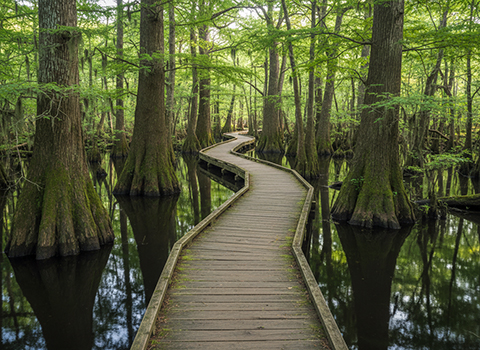
Hiking the Cache River State Natural Area Boardwalk Trail offers a completely different experience from most trails in Illinois, immersing visitors in an ancient and biologically rich wetland ecosystem. The boardwalk provides an easy, flat path that winds through cypress-tupelo swamp, allowing hikers to explore the area without disturbing the sensitive environment. Elevated above the water and marshy ground, the trail makes this unique landscape accessible to nearly all ages and abilities while still feeling remote and otherworldly.
Cache River Boardwalk Trail

As you walk along the boardwalk, massive bald cypress and water tupelo trees tower overhead, some among the oldest living trees in the Midwest. Their flared trunks, knobby “knees,” and moss-draped branches create a scene more reminiscent of the Deep South than Illinois. The slow-moving backwaters of the Cache River reflect the forest canopy, and wildlife is often abundant, including frogs, turtles, snakes, woodpeckers, and wading birds. Interpretive signs along the trail explain the area’s geology, hydrology, and ecological importance, helping hikers understand why the Cache River system is considered one of the most significant wetlands in North America.

The appeal of the Boardwalk Trail lies in its quiet, observational nature. Rather than elevation gain or distance, the focus is on slowing down and absorbing subtle details—ripples in the water, bird calls echoing through the swamp, and shafts of sunlight filtering through the trees. Early mornings and cooler months are especially peaceful, offering solitude and excellent wildlife viewing. For hikers seeking a calm, educational, and truly distinctive outdoor experience, the Cache River State Natural Area Boardwalk Trail stands out as one of southern Illinois’ most unforgettable walks.