The Hiking Man Hikes Florida

The Urban Trail Hiker
Hiking in Florida offers a unique experience through subtropical landscapes, coastal ecosystems, and vast wetlands not found in many other states. While the terrain is generally flat, the diversity of habitats makes hiking here anything but boring. Trails wind through cypress swamps, pine flatwoods, and mangrove forests, with opportunities to spot wildlife like alligators, manatees, and countless bird species. The Florida Trail, a National Scenic Trail, spans over 1,500 miles from the Everglades to the panhandle, offering both short day hikes and long-distance adventures. Popular spots like Everglades National Park, Ocala National Forest, and Big Cypress Preserve allow hikers to immerse themselves in Florida’s wild and watery landscapes, making for a hiking experience that is both serene and rich in biodiversity.

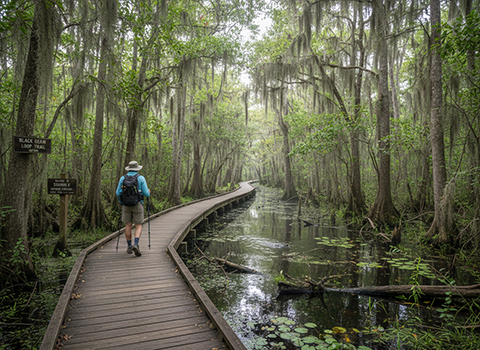
Black Bear Wilderness Loop Trail (Sanford)

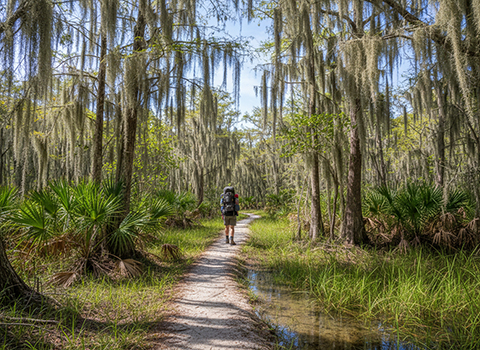
Hiking the Black Bear Wilderness Loop Trail offers an immersive journey into one of central Florida’s most unspoiled natural landscapes. The roughly seven-mile loop winds through the floodplain of the St. Johns River, showcasing a mosaic of ecosystems that include oak hammocks, pine flatwoods, marshes, and dense cypress swamps. The terrain is mostly flat, but the trail’s character changes constantly, keeping the hike engaging as you move from shaded forest corridors to open wetlands with expansive views. The sense of isolation is striking given the trail’s proximity to Sanford and the Orlando metro area.
Black Bear Wilderness Loop Trail

Wildlife viewing is one of the defining highlights of this hike. The wilderness area is known for its healthy populations of black bears, along with white-tailed deer, wild turkeys, bobcats, and a wide variety of birds such as barred owls, herons, and wood storks. Boardwalks and raised sections guide hikers across wet or muddy areas, especially during the rainy season, while offering close-up perspectives of swamp habitats below. The sounds of frogs, insects, and birds often replace any hint of city noise, creating a deep sense of immersion in Florida’s natural rhythms.

Preparation is essential for an enjoyable experience on the Black Bear Wilderness Loop Trail. The trail can be muddy or partially flooded after heavy rains, and summer hikes bring intense heat, humidity, and mosquitoes, making water, sun protection, and insect repellent critical. Despite these challenges, hikers are rewarded with a raw, authentic Florida wilderness experience that feels far removed from crowded parks and manicured trails. For those seeking solitude, wildlife encounters, and a true sense of the state’s wild interior, this loop trail is a memorable and rewarding adventure.

Anhinga Trail (Everglades National Park)

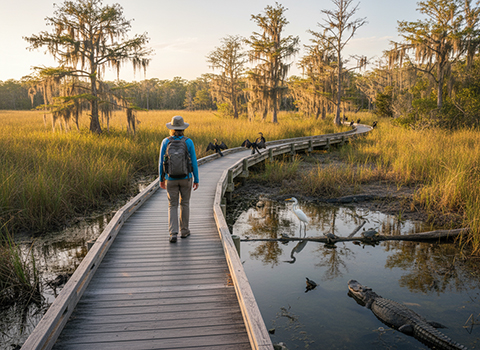
Hiking the Anhinga Trail offers one of the most iconic and accessible wildlife experiences in Florida. Located in Everglades National Park near the Royal Palm area, this short, mostly flat trail combines a paved path with a long boardwalk that loops through sawgrass marsh and shallow sloughs. Despite being less than a mile long, the trail delivers an exceptional introduction to the Everglades ecosystem, allowing hikers to experience the landscape up close without the need for strenuous hiking or specialized gear.
Anhinga Trail

Wildlife viewing along the Anhinga Trail is often spectacular and immediate. Alligators are frequently seen resting beside the boardwalk or gliding silently through the water, sometimes only a few feet away. The trail is named for the anhinga, a distinctive water bird often spotted drying its wings on branches, but hikers may also see herons, egrets, turtles, fish, and occasionally snakes. Because the water is shallow and clear, it’s easy to observe animal behavior, making this trail especially popular with photographers and nature enthusiasts.

The Anhinga Trail can be enjoyed year-round, but conditions vary by season. The dry season, typically winter through early spring, concentrates wildlife and offers cooler, more comfortable hiking conditions. Summer brings higher water levels, lush greenery, and intense heat, along with mosquitoes, making early morning or late afternoon hikes preferable. While short and easy, the trail leaves a lasting impression, offering an intimate, unforgettable look at the wild heart of the Everglades and serving as a must-see stop for anyone exploring Florida’s natural landscapes.

Florida Trail – Big Cypress National Preserve Section

Hiking the Florida Trail – Big Cypress National Preserve Section is a true immersion into one of Florida’s wildest and most challenging landscapes. This section of the Florida Trail cuts through vast stretches of cypress swamps, open prairies, pinelands, and wet marshes, offering a raw and untamed backcountry experience. Unlike more developed trails, the route here is often minimally marked and frequently wet, with hikers walking through shallow water for long distances depending on the season. The sense of remoteness is profound, making this section feel more like an expedition than a casual hike.
Big Cypress National Preserve

The scenery in Big Cypress is subtle yet powerful, revealing its beauty slowly as you move through it. Towering bald cypress trees rise from the water, their knees protruding like natural sculptures, while wide prairies stretch to the horizon under immense skies. Wildlife encounters are common, including alligators, wading birds, deer, and the occasional black bear or Florida panther sign. The quiet is broken only by wind in the grasses, bird calls, and the splash of unseen animals, creating an atmosphere that feels ancient and unchanged.

Preparation is critical for hiking this section of the Florida Trail. Navigation skills, reliable maps or GPS, and a strong understanding of water levels and weather conditions are essential, as the terrain can shift rapidly after rain. Lightweight footwear suitable for wet conditions, trekking poles, sun protection, and careful water management are all important considerations. For those willing to embrace the challenges, the Big Cypress section offers one of the most authentic wilderness experiences in Florida—demanding, humbling, and deeply rewarding for experienced hikers seeking solitude and adventure.

Torreya State Park Trails (Bristol)

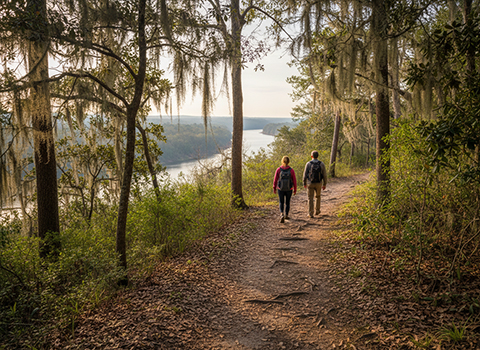
Hiking the Torreya State Park Trails offers a strikingly different experience from much of Florida’s typically flat terrain. Located along the Apalachicola River in the Florida Panhandle, the park is known for its steep bluffs, deep ravines, and dramatic elevation changes—some of the highest in the state. Trails wind through hardwood forests, pine uplands, and shaded river overlooks, creating a setting that feels more like the southern Appalachians than subtropical Florida. The rugged landscape makes these hikes both scenic and physically engaging.
 Enchantment Lakes Trail

One of the defining features of Torreya State Park is its rare and diverse plant life. The park is named for the endangered Florida torreya tree, and hikers may also encounter magnolias, beech trees, and rich understory vegetation thriving in the cool, moist ravines. Trails such as the Torreya Challenge Loop and Ravine Trail descend sharply into shaded hollows before climbing back to bluff-top viewpoints with sweeping views of the Apalachicola River valley. In spring, wildflowers add color to the forest floor, while fall brings cooler temperatures and vibrant foliage uncommon elsewhere in Florida.

Hiking conditions at Torreya can be more demanding than most Florida parks, so sturdy footwear and good footing are important, especially after rain when trails can become slippery. The elevation changes and uneven terrain provide a rewarding workout, balanced by frequent scenic pauses and quiet forest solitude. Whether you’re drawn by the rare ecology, panoramic river views, or the novelty of hiking steep hills in Florida, the trails at Torreya State Park deliver a memorable and surprisingly rugged outdoor adventure.

Myakka River State Park Trails (Sarasota)

Hiking the Myakka River State Park Trails provides a classic introduction to Florida’s wild interior, blending expansive landscapes with abundant wildlife. One of the state’s oldest and largest parks, Myakka River State Park features a network of trails that cross dry prairies, oak scrub, pine flatwoods, and riverine wetlands. The terrain is mostly flat and approachable, making these trails suitable for a wide range of hikers, while the open spaces offer sweeping views that feel far removed from the nearby Gulf Coast communities.
Torreya State Park Trail

Wildlife is a major highlight along Myakka’s trails. Hikers commonly spot alligators along the riverbanks and wetlands, as well as deer, wild turkeys, armadillos, and a wide variety of birds including sandhill cranes, egrets, and hawks. Trails near the Myakka River and Upper Myakka Lake provide excellent opportunities for observing animals in their natural habitats, especially in the early morning or late afternoon. The park’s famous canopy walkway, while not a hiking trail itself, complements a day on foot by offering an elevated perspective of the surrounding forest.

Seasonal conditions play an important role in planning a hike at Myakka River State Park. During the dry season, trails are firm and wildlife congregates near remaining water sources, creating excellent viewing opportunities. In the wet summer months, parts of the trail system may be muddy or flooded, and heat and insects can be intense, making sun protection, water, and insect repellent essential. Despite these challenges, the Myakka River State Park trails offer a rewarding and authentic Florida hiking experience, combining wide-open scenery, rich biodiversity, and a strong sense of natural history.

Devil’s Millhopper Geological State Park Trail (Gainesville)

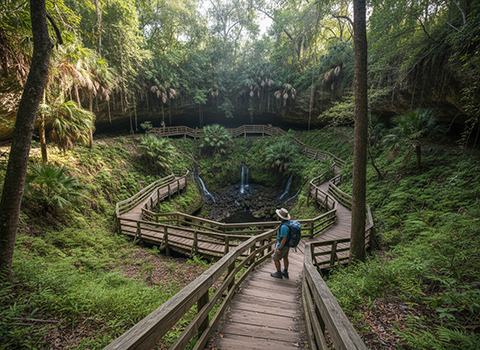
Hiking the Devil’s Millhopper Geological State Park Trail offers one of Florida’s most unusual and memorable short hikes. The trail descends into a massive, bowl-shaped sinkhole more than 120 feet deep, created by the collapse of limestone over thousands of years. A wooden boardwalk and staircase guide hikers downward from the rim into the lush interior, where the temperature feels noticeably cooler and the sounds of the surrounding city quickly fade away. Despite its short length, the trail feels immersive and dramatic, making it a standout stop among Florida’s state parks.
Devil’s Millhopper Trail

As you descend, the environment changes rapidly, creating a microclimate rarely experienced in the state. The sinkhole supports dense vegetation more typical of North Florida ravines, including ferns, hardwood trees, and moss-covered slopes fed by trickling streams and small waterfalls after rain. Interpretive signs along the trail explain the park’s geology, hydrology, and plant life, helping hikers understand how this unique landscape formed and why it supports such rich biodiversity. The contrast between the dry uplands above and the green, shaded basin below is striking.

While the Devil’s Millhopper trail is relatively short, it is physically demanding due to the steep stair climb back to the top. Sturdy footwear is recommended, especially after rain when steps and boardwalks can be slick. The hike is best enjoyed in cooler weather, but it can be visited year-round thanks to its shaded setting. Ideal for families, geology enthusiasts, and anyone looking for a quick yet fascinating hike, Devil’s Millhopper delivers a rare glimpse into Florida’s hidden underground landscape and natural history.

John Pennekamp Coral Reef State Park Trails (Key Largo)

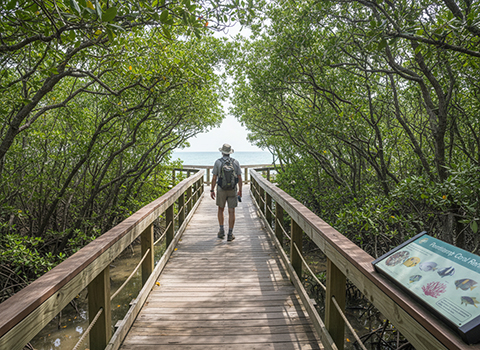
Hiking the John Pennekamp Coral Reef State Park Trails offers a quieter, land-based complement to the park’s famous underwater attractions. While the park is best known for snorkeling and coral reefs offshore, its on-land trails provide a peaceful way to explore the natural ecosystems of the Florida Keys. Short, well-maintained nature trails wind through tropical hardwood hammocks, coastal vegetation, and mangrove-edge habitats, offering an easy and accessible hiking experience in a distinctly subtropical setting.
John Pennekamp Trail

The trails showcase plant life unique to the Keys, including buttonwood, gumbo limbo, strangler fig, and palms, many growing in dense, shaded hammocks that feel worlds away from the busy Overseas Highway nearby. Interpretive signs help hikers identify native species and understand how these fragile ecosystems adapt to salt spray, shallow soils, and hurricanes. Birdlife is abundant, with sightings often including herons, egrets, ospreys, and migratory songbirds, while lizards and butterflies are frequently seen along the trail edges.

Hiking conditions at John Pennekamp are generally easy, but preparation is still important. The trails are mostly flat and short, making them ideal for families and casual hikers, though heat, humidity, and sun exposure can be intense, especially outside shaded areas. Insect repellent and water are essential year-round, and early morning hikes offer cooler temperatures and better wildlife activity. Though brief, these trails provide a relaxing and educational glimpse into the terrestrial side of the Keys, rounding out a visit to one of Florida’s most iconic coastal parks.

Ocala National Forest – Juniper Springs Trails

Hiking the Ocala National Forest – Juniper Springs Trails offers a refreshing blend of crystal-clear water, shaded forest, and classic Florida sandhill scenery. Located within Ocala National Forest, the trails near Juniper Springs provide an accessible yet immersive hiking experience that contrasts sharply with the surrounding pine scrub and dry uplands. Short nature trails and longer connector routes wind through longleaf pine forests, oak hammocks, and lush spring-fed areas, making this a popular destination for both casual hikers and nature lovers seeking a scenic walk.
Juniper Springs Trail

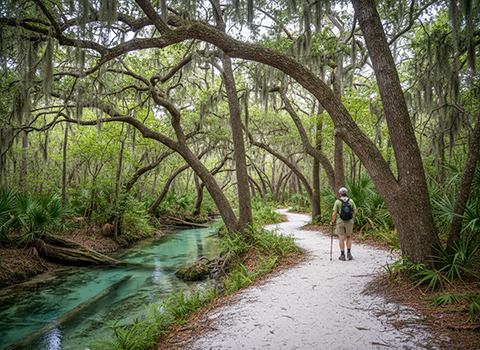
The highlight of hiking at Juniper Springs is the vivid turquoise spring itself, which flows steadily from limestone vents and feeds Juniper Run. Boardwalk sections guide hikers across wet areas and allow close views of bubbling spring water, aquatic plants, and fish below. Interpretive signs explain the geology of the springs and the ecology of the surrounding forest, while wildlife sightings may include turtles, wading birds, deer, and a variety of songbirds. The contrast between the cool, shaded spring basin and the sunlit pine forest adds variety and visual interest to every hike.

Conditions on the Juniper Springs trails vary with the seasons, and preparation makes a noticeable difference. Sandy footing can be tiring on longer walks, while summer brings heat, humidity, and insects that make early morning hikes preferable. Sturdy footwear, water, and sun protection are essential, even on shorter routes. Whether paired with swimming at the springs or explored on its own, hiking the Juniper Springs Trails delivers a classic Ocala National Forest experience—peaceful, scenic, and deeply connected to Florida’s natural history.

Paynes Prairie Preserve State Park (Micanopy)

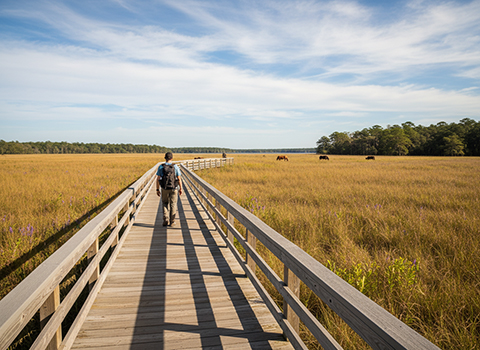
Hiking Paynes Prairie Preserve State Park offers one of the most distinctive hiking experiences in Florida, where vast open landscapes replace the dense forests found elsewhere in the state. Located just south of Gainesville near Micanopy, the preserve protects a large savanna basin that shifts dramatically with the seasons, sometimes appearing as dry grassland and at other times filling with shallow water. Trails here are mostly flat and wide, stretching across open prairie, wetlands, and forest edges, creating a strong sense of space and visibility uncommon in Florida hiking.
Paynes Prairie Preserve Trail

Wildlife viewing is a major draw at Paynes Prairie, and hikers are often rewarded with sightings rarely found elsewhere in the state. The preserve is home to wild bison and Florida cracker horses, along with alligators, deer, and an extraordinary diversity of birdlife. Trails such as La Chua and Bolen Bluff lead hikers toward wetlands and observation areas where herons, sandhill cranes, limpkins, and migratory waterfowl are frequently seen. Observation towers and elevated platforms provide panoramic views across the prairie, emphasizing the scale and openness of the landscape.

Seasonal conditions strongly influence hiking at Paynes Prairie, making timing an important consideration. The dry season offers firmer footing and expansive views across golden grasses, while the wet season brings lush greenery, higher water levels, and increased insect activity. Sun exposure can be intense due to the open terrain, so hats, sunscreen, and ample water are essential year-round. For hikers interested in wildlife, photography, and wide-open scenery, Paynes Prairie Preserve State Park delivers a uniquely powerful and memorable Florida hiking experience.

Curry Hammock State Park Trail (Middle Florida Keys)

Hiking the Curry Hammock State Park Trail offers a quiet, scenic introduction to the natural landscapes of the Middle Florida Keys. Located between Marathon and Key Largo, the park preserves one of the largest remaining tracts of undeveloped land in the Keys. The short nature trail winds through coastal hammock and low-lying tropical vegetation, providing an easy and relaxing hike that contrasts with the busier roadside attractions nearby. Though modest in length, the trail delivers a strong sense of place and coastal serenity.
Curry Hammock State Park Trail

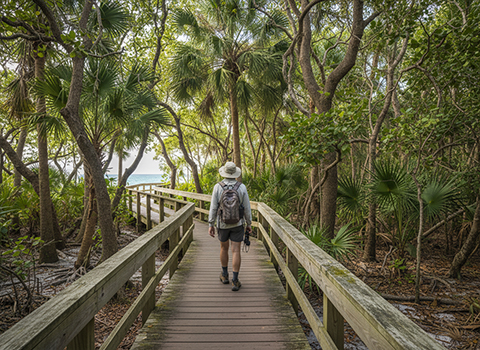
The trail showcases classic Keys ecology, with dense stands of buttonwood, sea grape, gumbo limbo, and other salt-tolerant plants adapted to thin soils and constant ocean influence. Interpretive signs along the route explain the fragile nature of hammock ecosystems and the role they play in protecting shorelines and wildlife. Birdlife is a highlight, with frequent sightings of herons, ospreys, pelicans, and migratory species, while lizards and butterflies are commonly seen darting through the vegetation. Occasional openings provide glimpses of surrounding waters, reinforcing the park’s island setting.

Hiking conditions at Curry Hammock State Park are generally easy, but preparation is still important due to the Keys’ climate. The trail is flat and well-maintained, making it suitable for families and casual hikers, though heat, humidity, and sun exposure can be intense. Insect repellent, water, and sun protection are essential year-round, and early morning hikes tend to be the most comfortable. For those seeking a peaceful walk that highlights the natural beauty of the Florida Keys without crowds or difficulty, the Curry Hammock State Park Trail offers a rewarding and tranquil experience.