 Hiking in Australia offers an incredible variety of landscapes, from rugged coastlines to dense rainforests and vast desert ranges. Walkers can explore famous trails like the Overland Track in Tasmania, where alpine scenery, glacial lakes, and unique wildlife create an unforgettable experience. Along the coast, hikes such as those in the Royal National Park near Sydney combine ocean views, sandstone cliffs, and native bushland, making every step visually rewarding.
What makes hiking in Australia especially unique is the chance to encounter distinctive plants and animals found nowhere else in the world. Kangaroos, wallabies, colorful parrots, and ancient eucalyptus forests are common sights on many trails. However, hikers must also be prepared for changing weather, strong sun, and remote conditions, carrying enough water and planning carefully. With the right preparation, hiking in Australia is both an adventurous and deeply rewarding way to connect with nature.
Hiking in Australia offers an incredible variety of landscapes, from rugged coastlines to dense rainforests and vast desert ranges. Walkers can explore famous trails like the Overland Track in Tasmania, where alpine scenery, glacial lakes, and unique wildlife create an unforgettable experience. Along the coast, hikes such as those in the Royal National Park near Sydney combine ocean views, sandstone cliffs, and native bushland, making every step visually rewarding.
What makes hiking in Australia especially unique is the chance to encounter distinctive plants and animals found nowhere else in the world. Kangaroos, wallabies, colorful parrots, and ancient eucalyptus forests are common sights on many trails. However, hikers must also be prepared for changing weather, strong sun, and remote conditions, carrying enough water and planning carefully. With the right preparation, hiking in Australia is both an adventurous and deeply rewarding way to connect with nature.
Overland Track (Tasmania)
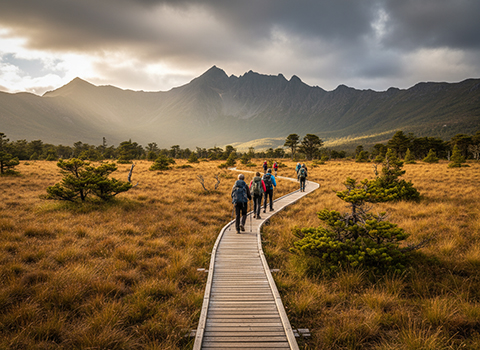
Hiking the Overland Track in Tasmania is one of Australia’s most iconic wilderness experiences. Stretching about 65 kilometers through Cradle Mountain–Lake St Clair National Park, the track takes hikers deep into a landscape shaped by glaciers, ancient forests, and rugged alpine terrain. From the very start near Cradle Mountain, the scenery feels dramatic and remote, with towering peaks, moss-covered rainforests, and open button grass plains setting the tone for the journey.
Each day on the Overland Track brings new highlights and challenges. Hikers pass landmarks such as Marion’s Lookout, Waterfall Valley, and the stunning alpine lakes of the central plateau. Wildlife encounters are common, with wombats, wallabies, and echidnas often spotted along the trail. Side trips, like the climb up Mount Ossa—Tasmania’s highest peak—offer breathtaking views and a strong sense of achievement for those willing to take on the extra effort.
Beyond the physical challenge, hiking the Overland Track is also a deeply rewarding mental experience. The well-managed huts and campsites provide comfort while still preserving a strong sense of isolation and connection to nature. With rapidly changing weather and untouched surroundings, the track encourages hikers to slow down, stay present, and respect the power of the environment. For many, completing the Overland Track is not just a hike, but a memorable journey through one of Australia’s most beautiful wilderness areas.
Larapinta Trail (Northern Territory)
Hiking the Larapinta Trail in Australia’s Northern Territory is an immersive journey through the ancient heart of the continent, where the West MacDonnell Ranges rise in rugged ridgelines above vast desert plains. Stretching approximately 230 kilometers, the trail follows the spine of these ranges west of Alice Springs, weaving through dramatic gorges, open spinifex grasslands, and rocky escarpments formed over hundreds of millions of years. Each section of the trail offers a distinct landscape, from the shaded chasms of Simpsons Gap and Ormiston Gorge to exposed high points like Mount Sonder, where hikers are rewarded with sweeping views that capture the scale and isolation of central Australia.
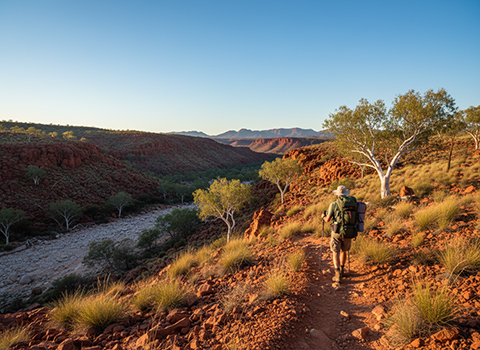
The experience of hiking the Larapinta Trail is as much about endurance and preparation as it is about scenery. Daytime temperatures can be intense, especially outside the cooler winter months, and water availability is limited, making careful planning essential. Many hikers choose to tackle the trail in sections, carrying water between designated tanks and campsites, while others attempt a full end-to-end trek over two to three weeks. Despite the challenges, the trail’s well-marked routes, established camps, and sense of remoteness create a deeply rewarding rhythm—long days of steady walking followed by quiet evenings under vast, star-filled skies.
Beyond its physical demands, the Larapinta Trail offers a powerful cultural and spiritual connection to the land. The ranges are deeply significant to the Arrernte people, whose stories and traditions are woven into the landscapes hikers pass through, from sacred sites to songlines that trace the movement of ancestral beings. Walking the trail encourages a slower, more reflective pace, where the silence of the desert, the changing colors of the rocks at sunrise and sunset, and the resilience of life in such a harsh environment leave a lasting impression. For many, the Larapinta is not just a hike, but a profound encounter with Australia’s natural and cultural heritage.
Great Ocean Walk (Victoria)
Hiking the Great Ocean Walk in Victoria, Australia, is a spectacular coastal journey that traces the wild southern edge of the continent along the Southern Ocean. Extending roughly 100 kilometers from Apollo Bay to the iconic Twelve Apostles near Princetown, the trail winds through windswept clifftops, secluded beaches, and pockets of lush coastal forest. Hikers are treated to constantly changing scenery, where turquoise waters crash against limestone cliffs, sandy coves appear around headlands, and ocean horizons seem to stretch endlessly under dramatic skies.
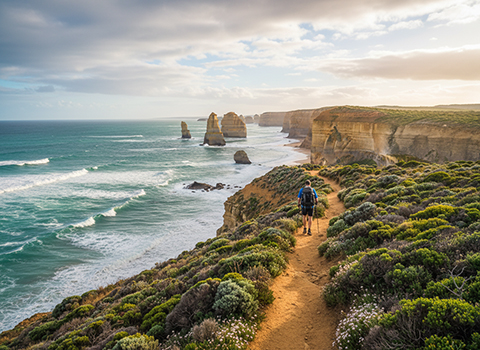
The walk is well suited to a wide range of hikers, with clearly marked paths, purpose-built campsites, and access points that allow the route to be completed in shorter sections or over a leisurely week-long trek. Days often include a mix of firm coastal tracks, soft sand walking, and gentle forest climbs, making the experience varied but manageable. Wildlife sightings are common, with chances to spot koalas in the eucalyptus trees, wallabies along the trail, and migrating whales offshore during the winter months. Evenings at the campsites are often accompanied by the sound of waves and the cool ocean air rolling in after a day of walking.
Beyond the physical experience, the Great Ocean Walk offers a strong sense of place and history. The trail passes through landscapes shaped by powerful natural forces and human stories alike, including shipwreck sites and memorials along what is known as the Shipwreck Coast. Walking here invites reflection, as hikers move between tranquil forest sections and exposed headlands that reveal the raw energy of the ocean. The combination of accessible hiking, striking coastal scenery, and rich natural and historical context makes the Great Ocean Walk one of Australia’s most memorable long-distance trails.
Blue Mountains National Park Trails (New South Wales)
Hiking the trails of Blue Mountains National Park in New South Wales offers an unforgettable experience in one of Australia’s most iconic landscapes. Just west of Sydney, the park is renowned for its dramatic sandstone escarpments, deep eucalyptus-filled valleys, and sweeping lookouts that seem to stretch endlessly into a blue-tinged horizon. Well-known routes such as the Grand Canyon Track, National Pass, and Wentworth Falls tracks lead hikers past waterfalls, along cliffside ledges, and into cool, shaded rainforest pockets that feel worlds away from the city.
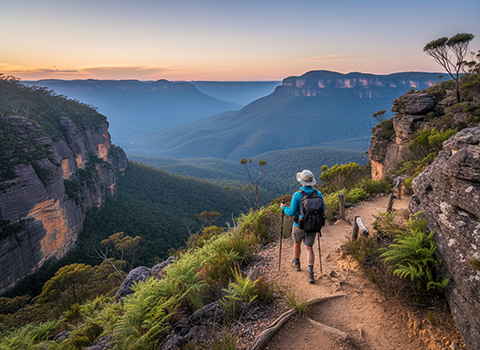
The park’s extensive trail network caters to hikers of all abilities, from short strolls to challenging full-day adventures that involve steep staircases and rugged terrain. Descending into the valleys often means tackling hundreds of stone steps carved into the cliffs, rewarding effort with lush fern gullies, mossy creek crossings, and the constant sound of flowing water. Wildlife is frequently encountered along the trails, including lyrebirds scratching in the leaf litter, colorful parrots overhead, and occasional glimpses of wallabies in quieter areas.
Beyond the physical beauty, hiking in the Blue Mountains carries a strong sense of cultural and natural significance. The area is part of a UNESCO World Heritage landscape, recognized for its exceptional biodiversity and the evolutionary importance of its plant species. It is also the traditional land of the Gundungurra and Darug peoples, whose deep connection to the country adds meaning to the walking experience. Whether standing at a lookout at sunrise or moving slowly through a shaded canyon, hiking these trails offers moments of reflection, awe, and a deeper appreciation for Australia’s natural heritage.
Cape to Cape Track (Western Australia)
Hiking the Cape to Cape Track in Western Australia is a striking journey along the edge of the continent, where land and sea meet in dramatic fashion. Stretching approximately 135 kilometers between Cape Naturaliste and Cape Leeuwin, the trail winds through the Margaret River region’s diverse coastal landscapes. Hikers pass along rugged limestone cliffs, sweeping white-sand beaches, granite headlands, and tranquil coastal heath, all set against the backdrop of the Indian and Southern Oceans converging. The scenery changes constantly, offering expansive ocean views one moment and sheltered forest paths the next.
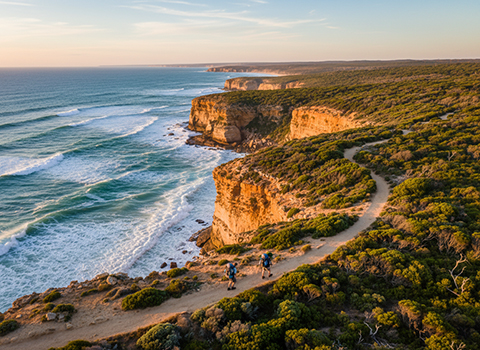
The track can be completed end to end in about five to seven days, though many walkers choose to tackle shorter sections as day hikes. Terrain varies from firm coastal paths to soft sand and rocky headlands, making the walk moderately challenging but accessible with good preparation. Well-spaced campsites, access points, and nearby towns allow for flexible planning, while frequent ocean breezes help moderate temperatures. Along the way, hikers may spot migrating whales offshore, dolphins playing in the surf, and a wide range of birdlife inhabiting the coastal scrub and wetlands.
Beyond its physical appeal, the Cape to Cape Track offers a strong sense of connection to Western Australia’s natural and cultural landscapes. The route passes through areas rich in Noongar heritage, where the coastline has long been an important source of food, stories, and spiritual meaning. Walking the trail encourages a slower pace, with time to appreciate the sound of waves, the scent of coastal vegetation, and the changing light over the ocean. For many, the Cape to Cape is not just a coastal hike, but an immersive experience that captures the wild beauty and relaxed rhythm of Australia’s southwest.
Bibbulmun Track (Western Australia
Hiking the Bibbulmun Track in Western Australia is a classic long-distance walking experience that showcases the diverse landscapes of the state’s southwest. Spanning nearly 1,000 kilometers from Kalamunda, near Perth, to the coastal town of Albany, the trail winds through towering karri and jarrah forests, open woodlands, river valleys, and stretches of dramatic southern coastline. The sense of scale is immense, with weeks of walking revealing subtle changes in terrain, vegetation, and light as the track moves steadily south.
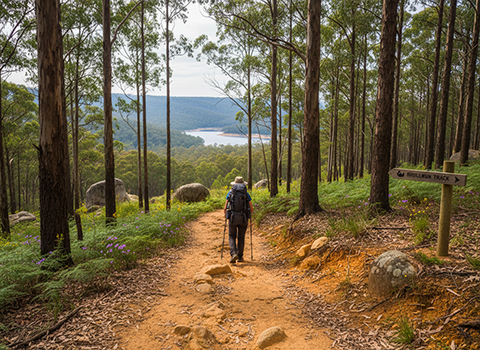
The Bibbulmun Track is designed with long-distance hikers in mind, offering a well-established network of campsites, shelters, and water points spaced a day’s walk apart. Most hikers complete the full trail in six to eight weeks, though many enjoy shorter section hikes or weekend trips. The walking itself is generally moderate, following gentle gradients and well-maintained paths, allowing walkers to settle into a steady rhythm. Encounters with wildlife such as kangaroos, emus, and colorful birdlife are common, adding to the sense of immersion in remote natural settings.
Beyond the physical journey, hiking the Bibbulmun Track offers a deep connection to the land and its cultural history. The trail takes its name from the Bibbulmun or Noongar people, whose country it traverses, and walking through these landscapes highlights the long human relationship with the forests and coastlines of the southwest. Long days beneath tall trees, quiet nights at remote shelters, and the simple routine of walking and camping encourage reflection and appreciation for the natural world. For many, the Bibbulmun Track is not just a hike, but a transformative experience that leaves a lasting impression of Western Australia’s wild beauty.
Kings Canyon Rim Walk (Northern Territory
Hiking the Kings Canyon Rim Walk in Australia’s Northern Territory is a breathtaking experience that reveals one of the Red Centre’s most dramatic landscapes. Located within Watarrka National Park, the 6-kilometer loop trail follows the rim of Kings Canyon, where sheer sandstone cliffs plunge more than 100 meters to the canyon floor below. The walk begins with a steep ascent often called “Heart Attack Hill,” but the effort is quickly rewarded with expansive views over the rugged desert terrain and the striking red rock formations that define this iconic region.
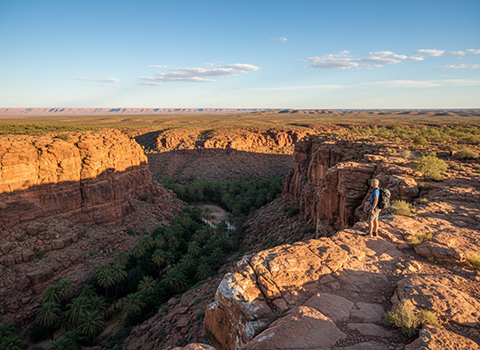
Once atop the rim, the trail unfolds across a surprisingly varied landscape of weathered domes, narrow ridgelines, and pockets of hardy vegetation clinging to the rock. Lookouts along the route provide panoramic vistas that change with the light, as shifting shadows and color tones bring the canyon walls to life. A highlight of the walk is the view down into the Garden of Eden, a sheltered oasis of cycads and permanent water far below, offering a dramatic contrast to the arid environment above.
Beyond its visual impact, the Kings Canyon Rim Walk offers a strong sense of cultural and environmental significance. The area is sacred to the Luritja people, and hikers are encouraged to respect the land and its stories while traversing the trail. Typically completed in three to four hours, the walk requires early starts, especially in warmer months, to avoid extreme heat. The combination of physical challenge, geological wonder, and deep cultural meaning makes the Kings Canyon Rim Walk one of the most memorable short hikes in Australia’s Northern Territory.
Wineglass Bay Lookout Track (Tasmania)
Hiking the Wineglass Bay Lookout Track in Tasmania is a rewarding introduction to the pristine beauty of Freycinet National Park. The well-known trail leads to a lookout perched high above Wineglass Bay, where a perfectly curved stretch of white sand meets clear, turquoise water framed by the pink granite peaks of the Hazards Range. Though relatively short, the hike delivers one of Australia’s most iconic coastal views, making it a must-do experience for visitors to Tasmania’s east coast.
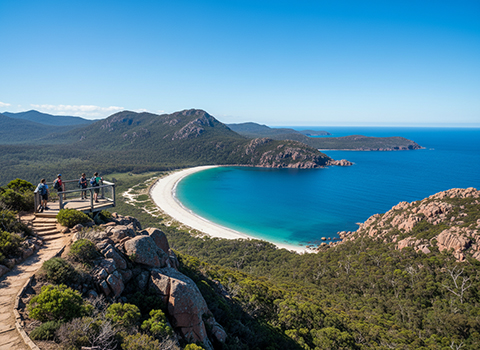
The walk begins with a steady climb through coastal bushland, with stone steps and well-maintained paths guiding hikers upward. Along the way, glimpses of Great Oyster Bay and surrounding islands hint at the scenery to come, building anticipation as elevation is gained. Reaching the lookout, hikers are rewarded with a panoramic vista that changes with the light and weather, from calm, glassy seas to dramatic skies rolling in from the Tasman Sea. The lookout itself provides a perfect place to pause, rest, and take in the sweeping landscape.
Beyond the viewpoint, the track also offers options for those wanting to continue down to the beach, adding a more immersive element to the hike. The area holds deep cultural significance for the Aboriginal people of Tasmania, and the natural environment reflects a delicate balance between land and sea. Whether enjoyed as a short scenic walk or as part of a longer exploration of Freycinet National Park, the Wineglass Bay Lookout Track leaves hikers with a lasting impression of Tasmania’s wild, unspoiled coastline.
Freycinet Peninsula Circuit (Tasmania)
Hiking the Freycinet Peninsula Circuit in Tasmania is a captivating journey through one of the island’s most diverse and scenic coastal landscapes. Located within Freycinet National Park, the circuit loops around the peninsula, combining stretches of rugged shoreline, secluded beaches, and granite mountain backdrops. Over the course of several days, hikers experience the full character of the area, from the pink-hued peaks of the Hazards Range to the crystal-clear waters and white sands that define Tasmania’s east coast.

The circuit is typically completed in two to three days, with campsites positioned near beaches and sheltered bays along the route. The terrain varies from sandy coastal walking to rocky headlands and forested tracks, offering a moderate challenge that rewards steady pacing and good preparation. Wildlife encounters are common, with frequent sightings of wallabies, wombats, and seabirds, while dolphins and seals are sometimes visible offshore. Evenings at camp often bring quiet reflection, as the sound of waves and the changing coastal light create a peaceful atmosphere.
Beyond its natural beauty, hiking the Freycinet Peninsula Circuit offers a strong sense of isolation and connection to the land. Much of the route feels remote despite the park’s popularity, allowing hikers to slow down and fully absorb their surroundings. The peninsula is rich in Aboriginal heritage, and walking its length encourages respect for the long relationship between people and this coastal environment. For those seeking a multi-day Tasmanian hike that blends dramatic scenery with a relaxed coastal rhythm, the Freycinet Peninsula Circuit is a deeply memorable experience.
Daintree Rainforest Walks (Queensland)
Taking the Daintree Rainforest walks in Queensland is an immersive journey into one of the oldest living rainforests on Earth. Located in Far North Queensland, the Daintree Rainforest is a place of extraordinary biodiversity, where ancient trees, dense canopies, and winding creeks create a lush, green world that feels both timeless and alive. Well-known walks such as the Dubuji Boardwalk at Cape Tribulation and trails through Mossman Gorge allow visitors to experience the rainforest up close, surrounded by towering fan palms, strangler figs, and the constant sounds of insects and birdlife.
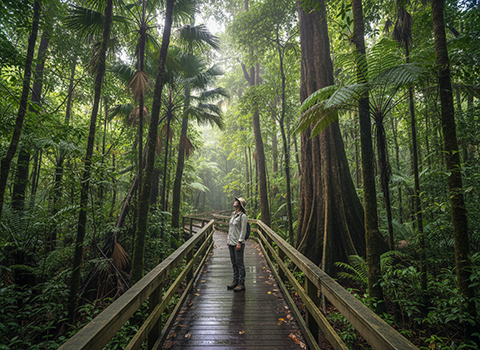
The walks range from easy, accessible boardwalks to more adventurous tracks that venture deeper into the forest, making them suitable for a wide variety of visitors. Shaded paths provide relief from the tropical heat, while interpretive signs help explain the complex ecosystem and the unique plants and animals found nowhere else in the world. Along the way, walkers may spot vibrant butterflies, tree kangaroos, or cassowaries, adding a sense of excitement and discovery to the experience. The ever-present humidity, filtered sunlight, and earthy scents heighten the sensory nature of each walk.
Beyond the natural wonders, the Daintree Rainforest walks offer a strong cultural dimension. The area is the traditional land of the Eastern Kuku Yalanji people, whose deep knowledge of the rainforest has been passed down for generations. Guided walks often share stories of how the land has been used for food, medicine, and ceremony, enriching the experience with cultural insight. Moving slowly through these ancient forests encourages respect for their fragility and resilience, leaving visitors with a lasting appreciation for one of Australia’s most remarkable natural environments.