The Hiking Man Hikes Alabama

The Urban Trail Hiker
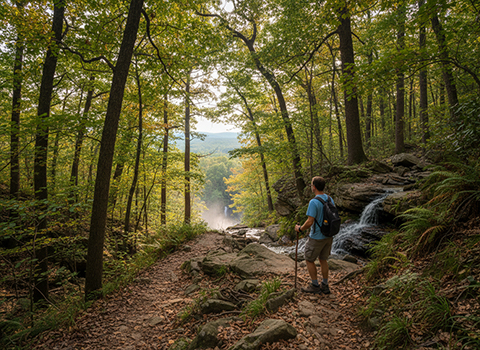
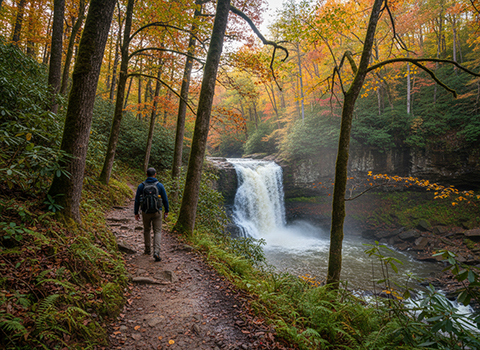
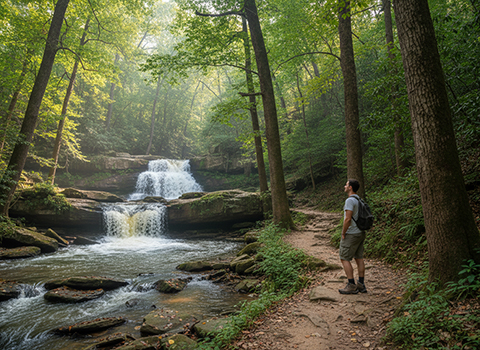
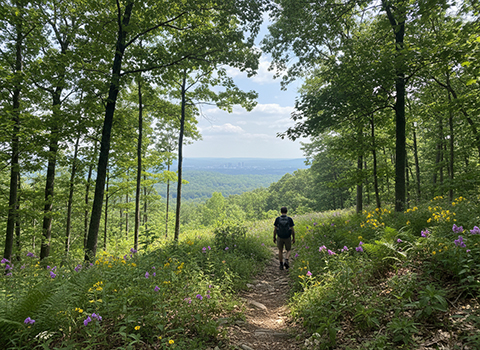
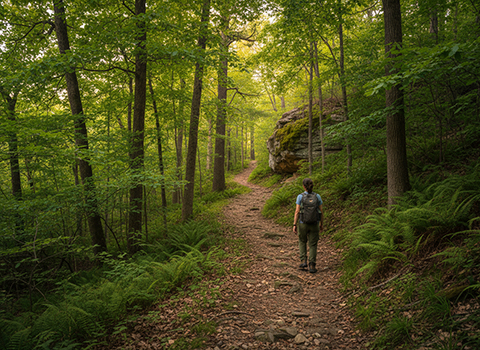
Hiking in Alabama offers a surprisingly diverse range of landscapes, from rugged canyon rims to lush forests and rolling Appalachian foothills. The state is home to scenic trail systems such as those in Cheaha State Park, where Alabama’s highest point provides sweeping views, and Little River Canyon National Preserve, known for its dramatic cliffs and waterfalls. Hikers can explore hardwood forests, sandstone bluffs, and riverside paths, with trails that range from easy nature walks to more challenging backcountry routes. Mild winters and long shoulder seasons make hiking possible much of the year, while spring wildflowers and autumn foliage add vivid color to the experience.

Cheaha Mountain Summit Trail (Cheaha State Park)

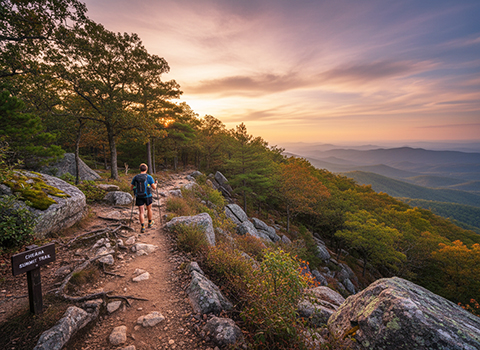
Hiking the Cheaha Mountain Summit Trail offers visitors a chance to stand atop Alabama’s highest point while enjoying a relatively short and accessible walk. Located within Cheaha State Park in the Talladega National Forest, the trail winds through a mixed forest of oak, pine, and hardwoods, creating a shaded and pleasant route in most seasons. The path is well maintained and suitable for hikers of varying experience levels, making it a popular choice for families and first-time visitors to the park.
Cheaha Mountain Summit

As the trail approaches the summit, the landscape opens to reveal sweeping views of the surrounding Appalachian foothills. From the observation tower at the top, hikers can see ridgelines stretching for miles, especially striking during fall when the forest canopy turns vibrant shades of red and gold. The elevation, just over 2,400 feet, brings cooler temperatures and frequent breezes, offering a refreshing contrast to lower elevations across much of the state.

Beyond the views, the Cheaha Mountain Summit Trail provides a peaceful introduction to Alabama’s mountain terrain and natural history. Interpretive signs along the way highlight the area’s geology and ecology, adding educational value to the hike. Whether visited as a quick scenic outing or as part of a longer day exploring Cheaha State Park’s trail network, the summit hike delivers a rewarding experience that captures the essence of hiking in Alabama’s high country.

Pinhoti Trail

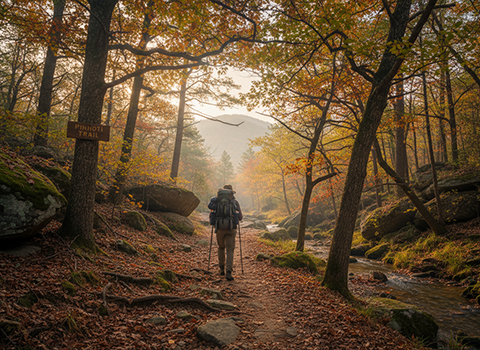
Hiking the Pinhoti Trail offers one of Alabama’s most immersive long-distance backcountry experiences, stretching through the rugged ridges and forests of the southern Appalachian foothills. The Alabama portion of the trail winds for more than 170 miles through Talladega National Forest, passing over rocky ridgelines, along wooded spines, and through quiet valleys far removed from roads and development. Hikers encounter a landscape shaped by ancient geology, with long, narrow mountains and hardwood forests that provide shade and solitude for much of the route.
Pinhoti Trail

The trail is known for its challenging terrain and rewarding views, particularly along ridgeline sections such as those near Cheaha Mountain and Dugger Mountain. Elevation changes are frequent, and the footpath can be rocky and uneven, making sturdy footwear and careful planning important. Along the way, hikers are treated to scenic overlooks, seasonal wildflowers, and glimpses of wildlife, while backcountry campsites allow for multi-day backpacking trips beneath dense forest canopies.

Beyond its natural beauty, the Pinhoti Trail holds special significance as a connector route, linking Alabama’s trail system to Georgia and the broader Appalachian Trail network. This connection makes it a destination for both section hikers and long-distance backpackers seeking extended journeys. Whether tackled in short segments or as an extended expedition, hiking the Pinhoti Trail showcases Alabama’s wild, less-traveled mountain landscapes and offers a deep sense of remoteness and adventure.

Little River Canyon Rim Trail (Little River Canyon National Preserve) views

Hiking the Little River Canyon Rim Trail offers a scenic and accessible way to experience one of Alabama’s most dramatic natural landscapes. Located within Little River Canyon National Preserve in northeastern Alabama, the trail follows the edge of a deep sandstone canyon carved by the Little River, one of the few rivers in the nation that flows for most of its length atop a mountain. The mostly level, well-maintained path makes it suitable for a wide range of hikers, including families and casual walkers.
Little River Canyon Rim Trail

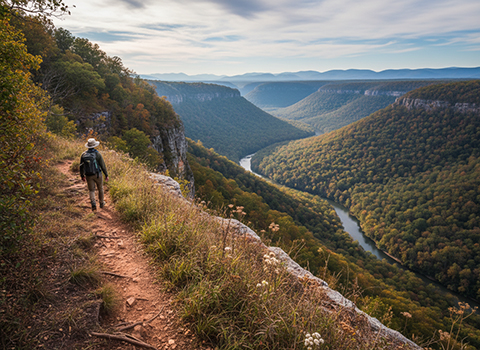
As the trail traces the canyon rim, hikers are rewarded with frequent overlooks that showcase sheer cliffs, winding river views, and cascading waterfalls after periods of rain. Each overlook offers a slightly different perspective, from broad panoramic vistas to intimate views of rock walls and forested slopes below. Seasonal changes add to the experience, with spring wildflowers, summer greenery, and autumn foliage providing ever-changing scenery throughout the year.

Beyond its visual appeal, the Little River Canyon Rim Trail provides opportunities to learn about the area’s unique geology, ecology, and history. Interpretive signs along the route explain how the canyon was formed and highlight the plants and wildlife that thrive in this protected environment. Whether enjoyed as a leisurely stroll or a longer outing linking multiple overlooks, the Rim Trail delivers an impressive introduction to one of Alabama’s most iconic outdoor destinations.

Walls of Jericho Trail (near Estillfork)

Hiking the Walls of Jericho Trail is one of Alabama’s most challenging and rewarding outdoor experiences, drawing adventurers to its remote and dramatic setting in the northeastern corner of the state. The trail descends steeply through hardwood forest and rocky terrain toward a massive limestone amphitheater known as the “Walls,” where towering cliffs surround the valley below. Often referred to as Alabama’s “Grand Canyon,” this natural formation creates a striking sense of scale and isolation that sets the hike apart from more accessible trails.
 Walls of Jericho

The route is demanding, with a long downhill approach that can be deceptive, as hikers must climb the same steep grades on the return trip. Water crossings, uneven footing, and significant elevation changes require good preparation, sturdy footwear, and ample water, especially during warmer months. Those who make the full journey are rewarded with waterfalls, natural springs, and lush vegetation thriving within the shaded canyon floor.

Beyond the physical challenge, the Walls of Jericho Trail offers a deeply immersive wilderness experience. The quiet remoteness, combined with the dramatic rock formations and flowing water, creates a sense of stepping into a hidden world carved over thousands of years. For experienced hikers seeking solitude, scenery, and a true test of endurance, hiking the Walls of Jericho Trail stands out as one of Alabama’s most memorable and awe-inspiring adventures.

Sipsey Wilderness Trails (Bankhead National Forest)

Hiking the Sipsey Wilderness Trails immerses visitors in one of Alabama’s most pristine and enchanting natural areas, often called the “Land of a Thousand Waterfalls.” Located within the Bankhead National Forest, the Sipsey Wilderness is known for its deep canyons, towering hardwood forests, and crystal-clear creeks that wind through moss-covered rock formations. The trail system consists of interconnected paths rather than a single marked route, giving hikers a true backcountry feel and a sense of exploration.
Sipsey Wilderness

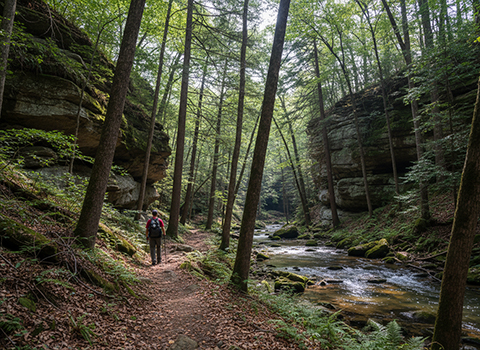
As hikers move through the wilderness, they encounter dramatic scenery shaped by water and time, including cascading waterfalls, sandstone bluffs, and ancient trees. Many trails follow stream corridors, requiring frequent creek crossings that add both beauty and challenge, especially after rainfall. The terrain is generally moderate but can be rugged and muddy, making navigation skills and proper preparation important for those venturing deeper into the area.

Beyond its natural beauty, the Sipsey Wilderness offers a rare opportunity for solitude and quiet in the southeastern United States. With no motorized access and limited signage, the area rewards careful planning and respect for wilderness conditions. Whether visiting for a day hike or an overnight backpacking trip, hiking the Sipsey Wilderness Trails provides a deeply peaceful and immersive experience that highlights Alabama’s wild, untamed landscapes.

Oak Mountain State Park Peavine Falls Trail

Hiking the Peavine Falls Trail at Oak Mountain State Park is one of the most popular outdoor experiences in central Alabama, offering a rewarding destination within the state’s largest park. The trail winds through rolling forest terrain of oak and pine, gradually leading hikers deeper into a scenic creek valley. Well-marked paths and a steady, moderate grade make the hike accessible to a wide range of skill levels, while still providing a sense of adventure.
Oak Mountain State Park Peavine Falls

As hikers approach Peavine Falls, the sound of rushing water signals the highlight of the trail. The waterfall cascades over a rock ledge into a shaded pool below, creating a peaceful and picturesque setting that is especially impressive after rainfall. Many visitors pause here to rest, take photos, or enjoy the cool mist, making the falls a popular spot for families and day hikers.

Beyond the waterfall itself, the Peavine Falls Trail offers a pleasant escape into nature just a short drive from Birmingham. The surrounding forest provides seasonal beauty, from spring wildflowers to colorful autumn foliage, and wildlife sightings are common along the route. Whether enjoyed as a standalone hike or combined with Oak Mountain’s extensive trail network, hiking the Peavine Falls Trail delivers a classic Alabama hiking experience that balances accessibility with natural charm.

DeSoto State Park Falls Loop Trail

Hiking the DeSoto State Park Falls Loop Trail offers a scenic and family-friendly way to experience the natural beauty of Lookout Mountain in northeastern Alabama. This well-maintained loop trail weaves through forested terrain, crossing streams and gentle slopes while connecting several of the park’s most impressive waterfalls. Its moderate length and clear signage make it an inviting option for hikers of varying ages and experience levels.
DeSoto State Park Falls

One of the highlights of the Falls Loop Trail is the variety of waterfalls encountered along the route, including Indian Falls, Laurel Falls, and Lost Falls. Wooden footbridges and boardwalks guide hikers safely across wet areas, while designated overlooks provide excellent vantage points for viewing cascading water and mossy rock faces. After periods of rain, the waterfalls are especially vibrant, adding movement and sound to the serene woodland setting.

Beyond the waterfalls, the trail showcases the rich plant life and peaceful atmosphere that define DeSoto State Park. Tall hardwoods, seasonal wildflowers, and shaded creek corridors create a cool and refreshing environment, particularly during warmer months. Whether taken as a leisurely walk or a relaxed half-day hike, hiking the DeSoto State Park Falls Loop Trail delivers a memorable combination of accessibility, scenery, and classic Appalachian foothills charm.

Chewacla State Park Falls Trail (Auburn area)

Hiking the Chewacla State Park Falls Trail provides a relaxing and scenic outdoor experience just outside Auburn, Alabama. The trail winds through a wooded landscape of hardwoods and pines, following gentle terrain that makes it accessible to hikers of most skill levels. Its relatively short length and well-maintained path make it a popular choice for families, casual hikers, and visitors looking for a quick nature escape.
Chewacla State Park Falls

The highlight of the hike is Chewacla Falls, a picturesque waterfall where water cascades over a broad rock ledge into a clear pool below. The sound of rushing water and the cool, shaded surroundings create a peaceful atmosphere, especially during spring and after rainfall when the falls are at their most impressive. Many hikers stop here to enjoy the view, take photos, or relax along the creek banks.

Beyond the waterfall, the trail offers a pleasant glimpse into the park’s natural environment and wildlife. Birds, turtles, and other small animals are commonly seen near the water, adding interest along the route. Whether paired with a picnic, swimming, or other park activities, hiking the Chewacla State Park Falls Trail delivers a simple yet rewarding taste of Alabama’s outdoor beauty in a convenient and welcoming setting.

Ruffner Mountain Nature Preserve (Birmingham)

Hiking the Ruffner Mountain Nature Preserve offers a unique blend of natural scenery and urban accessibility just minutes from downtown Birmingham. The preserve protects a rugged ridgeline once shaped by iron ore mining, and today its trail system winds through forests, rocky slopes, and reclaimed industrial landscapes. Well-marked trails range from easy walks to more challenging climbs, making the preserve appealing to both casual hikers and those seeking a workout.
Ruffner Mountain Nature Preserve

As hikers ascend the mountain, they are rewarded with scenic overlooks that provide sweeping views of Birmingham and the surrounding valleys. The trails feature exposed rock, gradual switchbacks, and shaded woodland sections, creating variety throughout the hike. Interpretive signs along the routes highlight the area’s geology, mining history, and native plant life, adding educational depth to the outdoor experience.

Beyond the views, Ruffner Mountain Nature Preserve offers a peaceful retreat from city life without leaving the urban core. Wildlife sightings, including deer and numerous bird species, are common, and the quiet forest atmosphere contrasts sharply with the nearby city. Whether enjoyed as a short afternoon hike or a longer exploration of multiple trails, hiking Ruffner Mountain provides a rewarding and surprisingly wild experience in the heart of Alabama’s largest metropolitan area.

Stephen’s Gap / Preserve Loop Trail (Jackson County)

Hiking the Stephen’s Gap / Preserve Loop Trail offers a memorable experience in one of northeastern Alabama’s most visually striking natural areas. Located in Jackson County near the Tennessee border, the trail leads hikers through a forested landscape shaped by limestone geology and flowing water. The route descends gradually toward the preserve, creating a sense of anticipation as the sound of waterfalls grows louder with each step.
Stephen’s Gap

The highlight of the hike is Stephen’s Gap, where a waterfall pours directly through a cave opening and emerges from the rock face below. This rare and dramatic feature creates an almost otherworldly scene, especially after rainfall when water volume is high. Along the loop, hikers encounter rocky outcrops, moss-covered cliffs, and multiple viewpoints that showcase the preserve’s unique karst formations and lush vegetation.

Beyond its scenic appeal, the Stephen’s Gap / Preserve Loop Trail provides a peaceful and immersive nature experience. The trail is moderately challenging due to uneven footing and elevation changes, making sturdy footwear and caution important, particularly in wet conditions. For hikers seeking a destination that combines geological wonder, solitude, and striking natural beauty, this trail stands out as one of Alabama’s most distinctive and rewarding hikes.