 Cave exploring in Idaho offers a mix of accessibility and adventure thanks to the state’s diverse volcanic and limestone landscapes. Southern Idaho, in particular, is home to extensive lava tube systems formed by ancient volcanic activity, creating long, winding corridors beneath the desert terrain. These caves often feature smooth basalt walls, wide chambers, and stable year-round temperatures, making them ideal for both novice and experienced cavers. The experience of stepping into one of these underground passages feels like entering a hidden world—quiet, cool, and untouched.
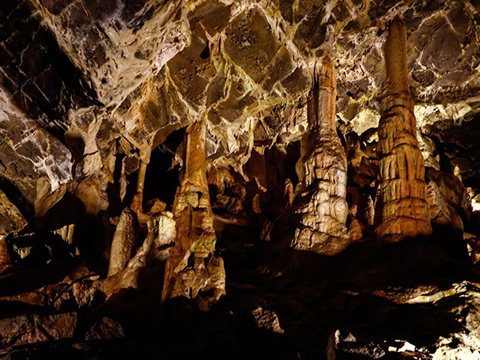
In the central and northern regions, Idaho’s limestone caves present a different kind of beauty, with stalactites, stalagmites, and narrow passageways carved over thousands of years by water. These formations require more careful navigation but reward explorers with intricate natural sculptures and unique ecosystems found nowhere else. Whether trekking across rugged forests to reach a remote cavern or descending into a well-known state park cave, adventurers find that Idaho’s underground landscapes offer a thrilling blend of geology, exploration, and natural wonder.
Cave exploring in Idaho offers a mix of accessibility and adventure thanks to the state’s diverse volcanic and limestone landscapes. Southern Idaho, in particular, is home to extensive lava tube systems formed by ancient volcanic activity, creating long, winding corridors beneath the desert terrain. These caves often feature smooth basalt walls, wide chambers, and stable year-round temperatures, making them ideal for both novice and experienced cavers. The experience of stepping into one of these underground passages feels like entering a hidden world—quiet, cool, and untouched.
In the central and northern regions, Idaho’s limestone caves present a different kind of beauty, with stalactites, stalagmites, and narrow passageways carved over thousands of years by water. These formations require more careful navigation but reward explorers with intricate natural sculptures and unique ecosystems found nowhere else. Whether trekking across rugged forests to reach a remote cavern or descending into a well-known state park cave, adventurers find that Idaho’s underground landscapes offer a thrilling blend of geology, exploration, and natural wonder.
Popular Caves in Idaho
1. Craters of the Moon National Monument & Preserve:
• The park is full of ancient lava flows and tube caves. The most accessible caves lie along the short “Caves Trail.”
• Two of the most visitor-friendly caves are Indian Tunnel — with stairs leading down and natural skylights that let in daylight — and Dewdrop Cave, which requires a bit more scrambling but still offers a manageable lava-tube experience.
• As a bonus: the stark, otherworldly volcanic landscape above ground makes for a dramatic contrast with the cool, dark caves below.
2. Minnetonka Cave (in Cache National Forest, near St. Charles / Bear Lake County):
• This is one of Idaho’s largest and most beautiful limestone caves, with multiple “rooms” full of natural formations — stalactites, flowstones, “cave bacon” draperies, and more.
Visit Idaho
• Tours run roughly from Memorial Day through Labor Day (weather-dependent). Once inside, expect steep stairs (about 888 steps total — down then back up), wet and sometimes slippery surfaces, and a roughly 60–90 minute guided tour.
• This cave tends to appeal to people who enjoy slower, scenic exploration over scrambling — good for those interested in geology, nature, or a more “classic” cave experience.
3. Shoshone Ice Caves (south-central Idaho, near Hwy 75):
• These caves are famous for staying cool even when outside is scorching hot — inside, you can find ice in lava-tube caves deep under dry desert terrain.
• Tours are guided, and typically run in the warmer months (May through September). It’s a relatively easy and family-friendly way to get a taste of subterranean geology and climate contrast.
• If you want something striking and different (especially compared to limestone or bare lava-tube caves), the ice formations add a unique, atmospheric twist.
4. Kuna Caves (near Kuna / Boise area):
• The Kuna Caves are a relatively short lava tube system just south of Kuna (near Boise), managed by the BLM — a good “closer-to-town” option if you don’t want to travel far.
• The cave system is modest in size (~¼ mile north of entrance extending some distance south) and has a metal ladder at the entrance leading down, making it simple to access (though parts of the cave may require crawling if you explore further).
• For a quick, spontaneous underground adventure close to urban areas, it’s one of the more approachable choices in Idaho — though definitely more rugged and less “tour-style” than tour-cave destinations like Minnetonka or Shoshone.
Tips for Choosing a Cave
• If you want a safe, guided, family-friendly experience, go for Minnetonka Cave or Shoshone Ice Caves.
• If you prefer lava-tube style caving and don’t mind darkness, crawling, or rugged footing, Craters of the Moon and Kuna Caves offer more of an “adventure & exploration” vibe.
• Always check season, access rules, permits, and cave-health guidelines (e.g. for bats) before going — many caves require permits or have seasonal closures to protect wildlife.