Swimming in Arizona
There’s something uniquely refreshing about taking a dip in Arizona’s lakes and rivers, especially on a warm desert day. The state’s natural waterways, like Lake Havasu, Saguaro Lake, and the Verde River, offer the perfect balance of scenic beauty and cooling relief. Surrounded by rugged cliffs, cactus-studded hillsides, and bright blue skies, swimmers can relax in calm coves, float lazily along gentle currents, or dive off rocky outcroppings into clear, inviting water. The contrast between the desert heat and the cool touch of the water makes every swim feel like an escape — a moment where nature’s extremes meet in perfect harmony.
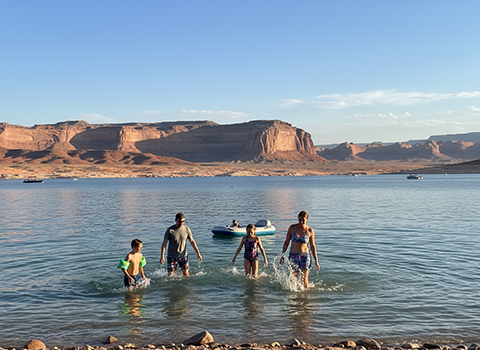
What makes swimming in Arizona’s lakes and rivers even more enjoyable is the variety of experiences they offer. Families can wade and play near sandy shores, adventurers can explore hidden inlets and waterfalls, and wildlife lovers might spot herons, fish, or even wild horses along the banks. Many spots, such as Watson Lake or Canyon Lake, have designated swimming areas and nearby amenities like picnic tables, hiking trails, and kayak rentals, making it easy to turn a simple swim into a full-day adventure. Whether you’re cooling off after a hike or simply soaking in the beauty of the desert waters, Arizona’s natural swimming spots provide a refreshing connection to the landscape’s vibrant spirit..
Popular Swimming Locations in Arizona
Lake Havasu – Located along the Colorado River on the western border of the state, Lake Havasu is a favorite for both swimmers and boaters. Its clear waters and numerous beaches make it perfect for a summer swim. The area around London Bridge Beach and Rotary Community Park is especially popular.
Saguaro Lake – Just northeast of Phoenix in the Tonto National Forest, Saguaro Lake offers scenic desert backdrops and calm coves ideal for swimming, kayaking, and picnicking. Butcher Jones Beach is the main swimming area and often has shallow, family-friendly waters.
Canyon Lake – Nestled along the Apache Trail, Canyon Lake features deep blue water surrounded by dramatic cliffs. The Acacia Recreation Site and Boulder Recreation Site are popular for swimming and sunbathing.
Lake Pleasant – Located north of Phoenix, Lake Pleasant is one of the largest lakes in central Arizona. The Pleasant Harbor and Scorpion Bay areas offer great swimming zones, along with picnic spots and water sports rentals.
Verde River – For a more natural river experience, the Verde River offers several peaceful spots to swim or float, especially near Cottonwood and Camp Verde. The Tuzigoot River Access Point is a particularly scenic location.
Watson Lake – Near Prescott, Watson Lake is surrounded by striking granite boulders and offers designated swimming areas where you can enjoy the cool water and dramatic landscape.
Swimming Leasons
1. Hubbard Family Swim School (Phoenix area)
Why it’s good: They offer swim lessons for kids starting at 2 months old up to about age 11. Hubbard Swim School They emphasise building both confidence and water-safety, with a strong reputation in the Phoenix metro area.
Tip: If you have a toddler or young child who’s never been in the water, starting this early program can help build comfort in the water before moving into more advanced skills.
2. Aqua Tots Swim School – Central Phoenix (Phoenix)
Why it’s good: They serve children from 4 months up to about 12 years old. The facility is indoor, the student-to-teacher ratio is small (~4:1) for more personalised instruction. Aqua Tots Swim Schools
Tip: If you prefer a consistent weekly slot (indoor pool, controlled environment), this is a solid option. Ask about make-up lessons and scheduling flexibility, especially if you have multiple kids.
3. Demont Family Swim School (Tucson area)
Why it’s good: Located in Tucson (2850 W Ina Rd #130, Tucson) and offering year-round indoor swim lessons for ages 6 months to 12 years.
Tip: If you are down in southern Arizona or planning trips there, this can be a good local-area resource. Because the pool is indoor and year-round, you’re less impacted by summer desert heat extremes.
What to look for
• Age & skill-level entry: Are there classes for infants/toddlers as well as older kids?
• Class size & instructor ratio: Smaller groups = more individual attention.
• Water safety curriculum: Are floating, submerge, self-rescue skills taught (not just “fun splash time”)?
• Scheduling & location: Indoor vs outdoor, convenient times for your family, make-up policy.
• Observation/viewing: Can you watch your child’s progress from the deck?
• Progression/pathway: Is there a clear track from beginner → intermediate → advanced?