Climbing in Arizona
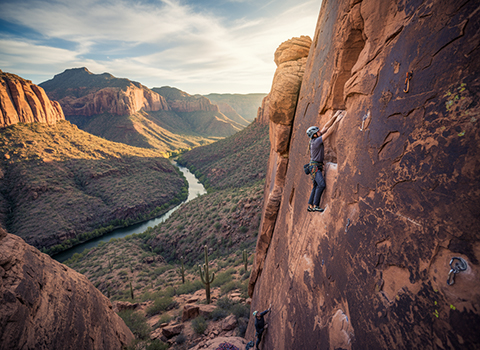
Climbing in Arizona is an exhilarating experience that draws adventurers from all over the world. The state’s diverse landscape—ranging from the red sandstone cliffs of Sedona to the granite spires of Cochise Stronghold—offers challenges for every skill level. The combination of clear skies, sweeping desert views, and the thrill of scaling ancient rock faces creates an unforgettable sense of freedom and connection with nature. Each route tells its own story, shaped by wind, water, and time, and climbers find themselves immersed in both physical exertion and awe-inspiring beauty.
Beyond the climb itself, Arizona’s vibrant climbing culture adds to the excitement. You can meet fellow climbers at crags, share stories under starlit skies, and discover hidden gems tucked deep within canyons or high on desert plateaus. The state’s year-round climbing potential means there’s always a new wall to conquer—cooler winter days invite trips to the Sonoran Desert, while summer brings cooler temperatures at higher elevations like Flagstaff. Whether you’re bouldering among the saguaros or tackling multi-pitch routes high above the desert floor, climbing in Arizona offers a blend of adventure, camaraderie, and pure exhilaration.
Popular Climbing Spots in Arizona
1. Camelback Mountain (Phoenix area):
This iconic peak in the heart of Phoenix offers short but exciting trad and sport routes on red sandstone and conglomerate rock. The Praying Monk spire and Echo Canyon routes are especially popular among local climbers.
2. Sedona:
Known for its stunning red rock towers and breathtaking desert views, Sedona offers a mix of trad and sport climbs on soft sandstone. Routes like The Mace, Queen Victoria Spire, and Dr. Rubo’s Wild Ride are favorites for their exposure and scenery.
3. Mount Lemmon (Tucson area):
Stretching over 9,000 feet in elevation, Mount Lemmon boasts thousands of routes across multiple climate zones—from desert crags to cool pine forests. Its granite and gneiss cliffs provide everything from single-pitch sport climbs to long trad routes.
4. Cochise Stronghold (Dragoon Mountains):
A legendary climbing area featuring massive granite domes and multi-pitch trad routes. Climbs like What's My Line and Ewephoria are must-dos for experienced climbers who enjoy technical challenges and remote wilderness.
5. Queen Creek Canyon (near Superior):
This is one of Arizona’s premier sport climbing and bouldering areas. It features volcanic tuff cliffs and hundreds of bolted routes, along with world-class bouldering at the Oak Flat area.
6. Granite Mountain (Prescott):
A favorite for traditional climbers, this granite paradise offers clean cracks, slabs, and adventurous multi-pitch climbs. Routes like The Great Roof and Coyote Tower attract climbers seeking classic experiences.
7. Paradise Forks (near Flagstaff):
This basalt canyon offers stunning, vertical crack climbs—often compared to a “mini Indian Creek.” It’s a trad climber’s dream, with clean cracks and a scenic forest setting.
Climbing Links
Arizona Mountaineering Club (AMC)
• Founded in 1964, the club’s mission is to promote and teach safe rock climbing and outdoor mountaineering in Arizona.
• It’s an all-volunteer group that offers education, outings, and stewardship of climbing resources.
• If you’re looking to join a community of climbers—from weekend craggers to serious alpine seekers—this is a strong option.
USA Climbing – Arizona State Page
• USA Climbing is the national organization that supports sport climbing, competitions, youth teams, and sets the rules at the national level. usaclimbing.org
• While it’s not a “club” in the same sense as a local outdoor group, it’s good if you’re interested in competitive climbing, youth teams, or connecting to the broader network of climbing governance in Arizona.
Indoor Gym Teams & Youth Programs
• The Alta Climbing & Fitness – Gilbert location offers a climbing team for youth (recreational & competitive) and is a way to plug into climbing culture locally. Alta Climbing and Fitness
• These programs are especially useful if you’re newer to climbing, have children who want to climb, or prefer the social & structured format of a gym-based team.
Climbing Magazine